Why Digital Menus Are the Future of Restaurant Dining
Paper menus are on their way out. Learn why restaurants worldwide are adopting digital menus to improve the guest experience, reduce costs, and increase revenue.
The restaurant industry is undergoing a quiet revolution. While flashy kitchen robots and AI sommeliers grab headlines, the most impactful change is happening right at the table: the menu itself is going digital. According to the National Restaurant Association's 2024 State of the Restaurant Industry report, nearly 70% of operators say technology gives them a competitive edge they did not have two years ago. That figure alone tells you where the industry is headed.
In this deep dive, we will explore why paper menus are becoming relics, what a modern digital menu actually looks like, the hard business case for making the switch, and how your guests will thank you for it.
The Problem with Paper Menus
Traditional paper menus have served restaurants well for over a century, but they come with significant drawbacks that modern diners and operators can no longer ignore. If you have ever managed a restaurant floor, you know the pain points intimately.
They are expensive to maintain. Every time you update a price, add a seasonal dish, or remove an out-of-stock item, you need a reprint. For a mid-sized restaurant, annual menu printing costs can easily run between two and five thousand dollars. That is money that could be invested back into the kitchen, staff training, or marketing. And the expense is not just financial - it is the time your manager spends coordinating with the printer, proofreading layouts, and distributing new copies to every table.
They are static in a dynamic world. Your paper menu cannot adjust for the lunch rush versus a quiet Tuesday evening. It cannot highlight the dish your chef is proudest of today, or hide the appetizer you just ran out of. A digital menu can do all of this in real time, ensuring that every guest sees only what is actually available and that your best offerings get the spotlight they deserve.
They create friction for international guests. In tourism-heavy cities - from Dubai to Barcelona to Bangkok to New York - paper menus in a single language alienate a large portion of potential customers. Printing five different translated versions is prohibitively expensive and logistically nightmarish. Digital menus solve this with instant multilingual support at zero additional cost.
They wear out. Sticky fingerprints, wine stains, torn corners - paper menus degrade quickly in a busy restaurant. Replacing them is a recurring cost, and presenting a worn menu to a guest undermines the perception of quality you have worked hard to build.
They offer zero data. A paper menu tells you absolutely nothing about how guests interact with it. You have no idea which items catch attention, which descriptions fall flat, or how long guests browse before deciding. You are essentially flying blind.
What a Digital Menu Actually Looks Like
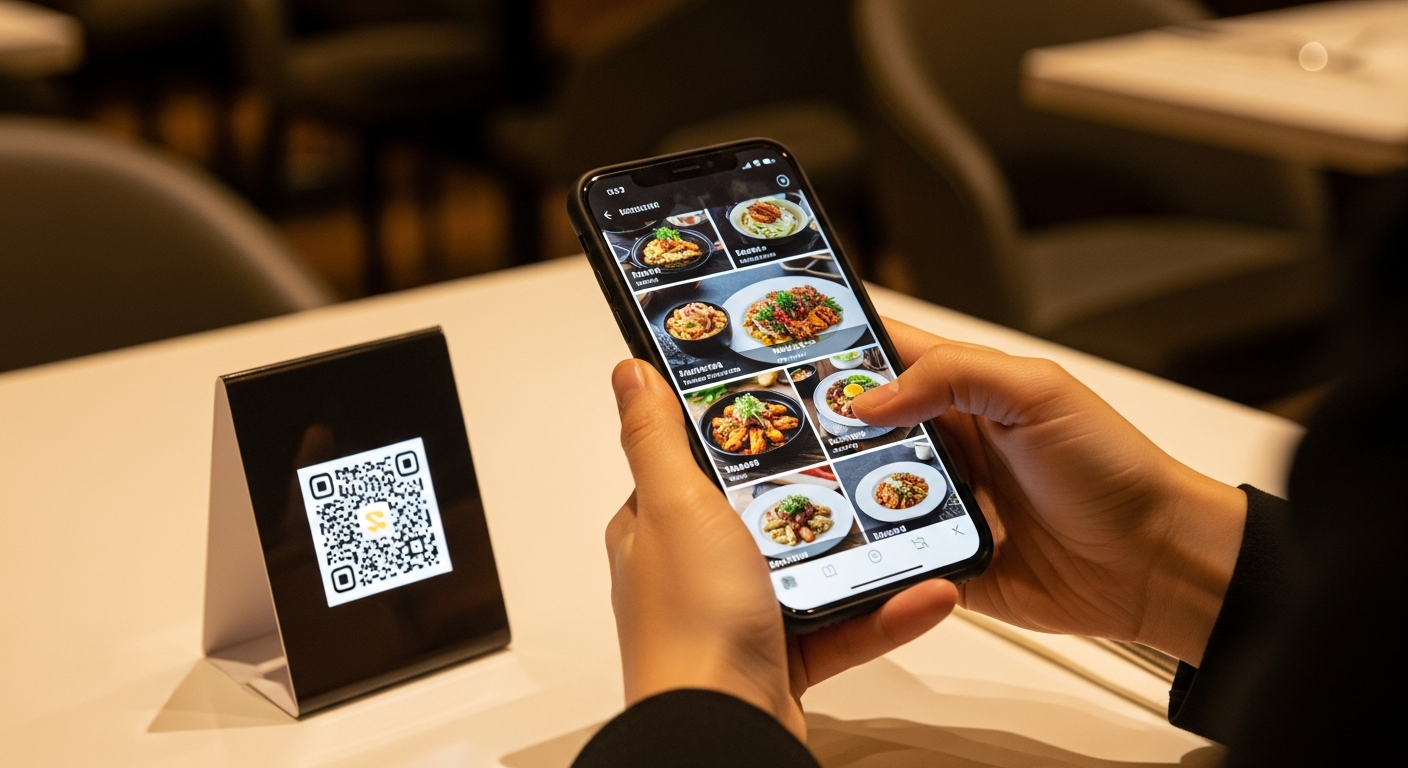
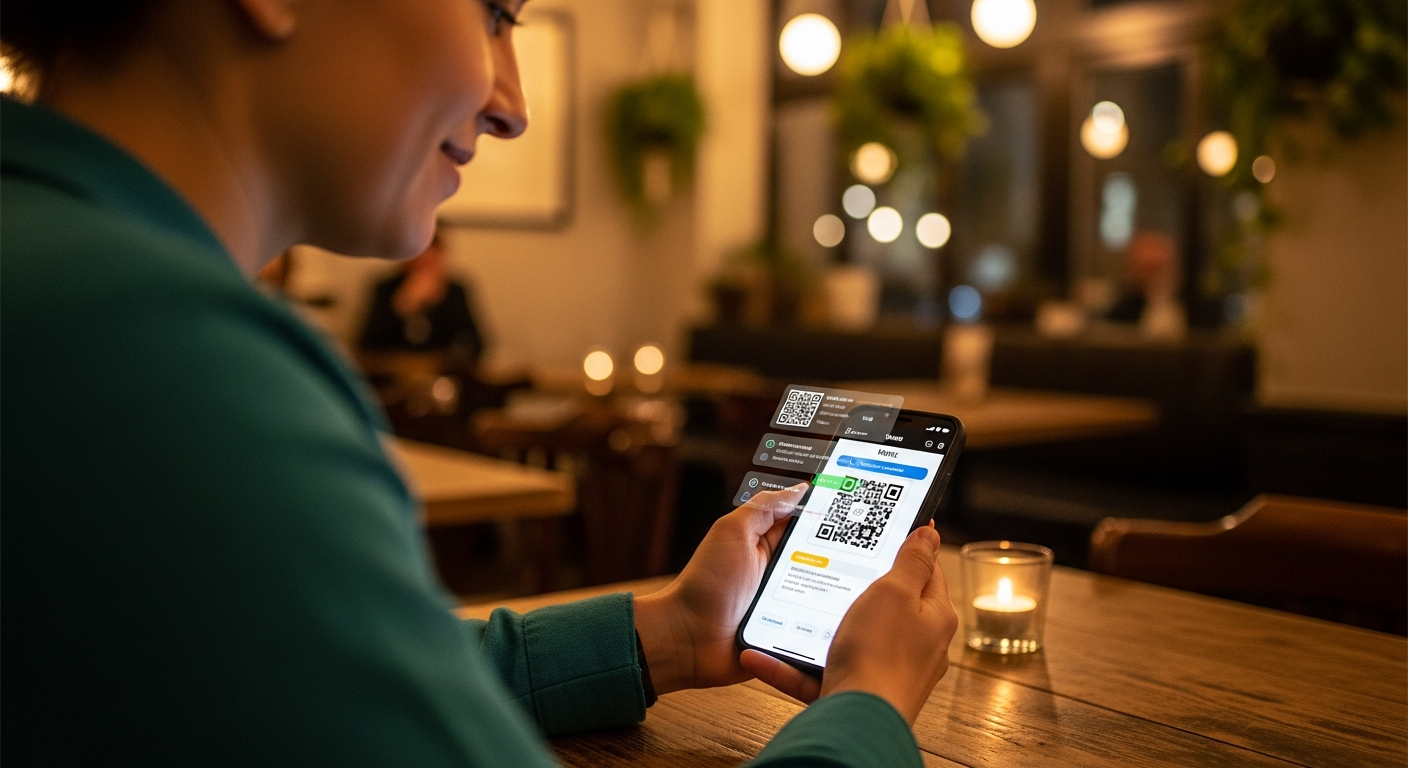
When we talk about digital menus, we do not mean a PDF uploaded to your website. A true digital menu is an interactive, mobile-optimized experience that guests access by scanning a QR code at their table. There is no app to download, no account to create - the guest simply points their phone camera at the code and the menu appears instantly in their browser.
With a platform like Vino, your digital menu features high-resolution photos for every dish, real-time pricing and availability, multilingual translations in over 30 languages, dietary and allergen filters that let guests find exactly what they need, and a clean design that reflects your restaurant's unique brand identity. The experience feels native and fast, like the best apps guests already use every day.
Some platforms even support direct ordering from the menu, meaning the guest can browse, customize their selections, and place an order without ever flagging down a server. This is not about replacing hospitality - it is about removing friction so your team can focus on what they do best: making guests feel welcome.
The Business Case Is Compelling
The numbers behind digital menus are hard to argue with. Restaurants that make the switch consistently report measurable improvements across the board.
- Higher average order value. When guests can see beautiful photos of every dish, they order more. Research consistently shows that menu items with high-quality images see up to a 30% increase in orders. Over hundreds of tables per week, that translates to a significant revenue boost.
- Faster table turnover. Guests spend less time waiting for a server to bring the menu and take their order, which means you can serve more covers per shift. Even a ten-minute reduction in average table time can add up to several extra turns per day during peak hours.
- Lower operational costs. No more reprints, no more stained menus, no more outdated prices sitting on tables. Updates happen instantly from a dashboard that any manager can use. The ongoing cost of a digital menu platform is typically a fraction of what restaurants spend on printing alone.
- Better data and insights. Digital menus let you track what guests view, what they order, and where they drop off. You can see which items get the most attention, which descriptions convert browsers into buyers, and which sections of the menu need improvement. These insights are impossible with paper and invaluable for menu engineering.
- Reduced waste. By tracking which items sell and which do not, you can make smarter purchasing decisions and reduce food waste. Some restaurants report cutting food waste by 15% or more after gaining visibility into real ordering patterns.
The Guest Experience Advantage
Today's diners - especially millennials and Gen Z, who now make up the majority of restaurant spending - expect digital convenience. They book tables on apps, read reviews on their phones, and pay with contactless cards. A paper menu feels like an interruption in an otherwise seamless experience.
A well-designed digital menu meets guests where they already are: on their smartphones. It lets them browse at their own pace, filter by dietary preference, zoom in on dish photos, and discover items they might have missed on a cluttered paper menu. For guests with allergies, being able to filter the entire menu to show only safe options is not just convenient - it is reassuring.
International guests benefit enormously as well. Instead of struggling to decipher a menu in an unfamiliar language or relying on a server to translate, they can view the entire menu in their preferred language with a single tap. The awkwardness of the language barrier disappears, and the dining experience becomes about the food and the atmosphere - exactly as it should be.
Accessibility matters too. Guests with visual impairments can use their phone's built-in accessibility features to enlarge text or have the menu read aloud. This is something a paper menu simply cannot offer.
Sustainability and the Environmental Case
Sustainability is no longer a niche concern - it is a priority for a growing segment of diners. A single mid-sized restaurant can go through thousands of paper menus per year when you account for reprints, seasonal updates, and normal wear and tear. Multiply that across the hundreds of thousands of restaurants worldwide, and the environmental impact is staggering.
Digital menus eliminate paper waste entirely. There is no printing, no shipping, no disposal. For restaurants that want to demonstrate their commitment to sustainability, switching to digital menus is one of the easiest and most visible steps they can take. It is a change that guests notice and appreciate, especially younger demographics who actively seek out environmentally conscious businesses.
Making the Switch Is Easier Than You Think
Transitioning to a digital menu does not have to be complicated or expensive. Platforms like Vino are designed to get restaurants up and running in minutes - not weeks. You upload your menu items, add photos (or use AI-powered image generation if you do not have professional photos yet), customize the design to match your brand, generate QR codes for your tables, and you are live.
There is no hardware to install, no staff training required beyond a quick walkthrough, and no long-term contracts to worry about. Most restaurants can have their complete digital menu ready in a single afternoon.
The future of restaurant dining is digital, and the restaurants that adopt early will build a lasting competitive advantage - in efficiency, in guest satisfaction, and in revenue. The only question is: how soon will you make the switch?
Ready to go digital?
Create your restaurant's smart digital menu in minutes with Vino. No app downloads, no complicated setup.
Latest Posts
How Independent Restaurants Can Go Digital on a Shoestring Budget
6 min read
Contactless Ordering for Restaurants: The 2026 Guide
7 min read
The Restaurant Owner's Playbook for Daypart Menus: Automate Breakfast, Lunch, Dinner, and Happy Hour
9 min read
How to Make Your Digital Menu ADA and EAA Compliant (Before You Get Fined)
6 min read