Digital Menu Customer Journey for Customer Retention
Map the digital menu customer journey from QR scan to repeat visit and turn one-time diners into loyal guests with proven restaurant customer retention tactics.
On this page 6
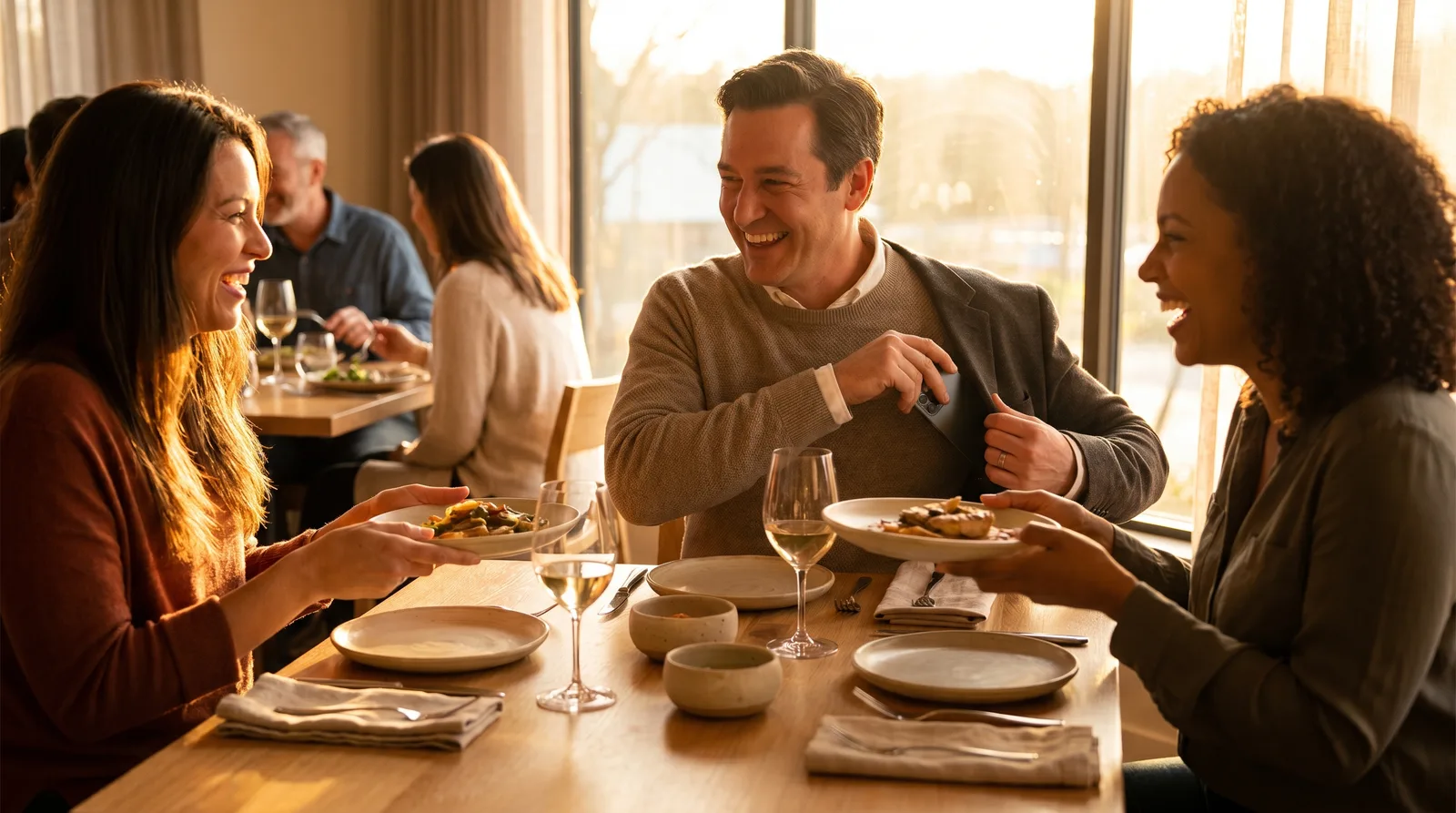
A guest scans your QR code, browses the menu, orders the pan-seared salmon, leaves happy, and never comes back. That last part is the expensive one. Most restaurants pour their energy into the first scan and ignore everything that happens after the check is paid. Yet that post-meal stretch is exactly where restaurant customer retention is won or lost.
The math is brutal and clear. Acquiring a new diner costs far more than keeping an existing one, and your digital menu touches every moment that decides which way a guest goes. Treat the QR scan as the start of a relationship, not a one-off visit, and the same screen the guest browsed can quietly bring them back.
Why Restaurant Customer Retention Starts at the Scan
The moment a guest scans is the moment you have their attention and, increasingly, their permission to keep it. Research from Harvard Business Review found that increasing customer retention by just 5% can lift profits by 25% to 95%, depending on the business. For restaurants running on thin margins, that range is the difference between a good year and a closure.
Here is the gap most operators miss: the scan is a behavioral signal. It tells you this person is in your dining room, hungry, and looking at your prices. No other marketing channel gives you a captive, high-intent audience like that. The journey from scan to repeat customer has four stages, and a digital menu can shape all of them.
Stage One: The First Scan and First Impression
Speed and clarity decide whether the first impression helps or hurts. If your menu takes six seconds to load or forces pinch-zooming on a phone, you have already lost goodwill before the guest reads a single dish. A clean, mobile-first layout with clear categories and good photography sets the tone.
Concrete moves that improve this stage:
- Keep the menu load under three seconds and test it on real phones, not just your laptop.
- Lead each category with your highest-margin or signature items so they get seen first.
- Use real, appetizing photos. Dishes with images are ordered noticeably more often than text-only listings.
For tourist-heavy locations, automatic translation removes friction for guests who would otherwise struggle to order with confidence. A strong first scan sets up everything that follows in the journey.
Stage Two: Browsing and the In-Meal Experience
This is where the menu earns its keep on the current visit and plants the seed for the next one. A well-structured digital menu helps guests discover more of what you offer without a server hovering. Modifiers let you present clear option groups (sizes, toppings, cooking styles, a wine pairing) right on the item, so a guest can see exactly what is available and order it with confidence from the table. The result is a calmer, more informed meal that guests browse at their own pace.
The retention angle is subtle but real. Guests who have a smooth, easy meal remember it. The menu that made it easy to find the right dish, flag an allergen, or discover a daily special is the menu they trust next time. Vino brings QR menus, modifiers, and menu analytics together so you can see which items get viewed most and which ones get passed over, then adjust your layout before a slow seller drags down the experience.
Stage Three: The Review Moment
The meal is winding down and the goodwill is at its peak. This is the best window to collect a review, and almost no one captures it at the right time. Because the review form lives on the same menu the guest is already holding, a quick "Write a review" tap captures sentiment while it is warmest, with no login or app required.
Reviews do double duty. Positive ones become social proof that pulls in new diners, and Vino gives any guest who leaves 4 or 5 stars a one-tap option to share that rating on Google too. According to a BrightLocal consumer survey, the overwhelming majority of consumers read online reviews for local businesses before deciding where to go, and recency matters as much as rating.
Practical steps:
- Keep reviews enabled on your menu so feedback is one tap away at the table, not days later by email.
- Watch the dashboard and use moderation tools to hide or remove anything that is spam or off-base.
- Respond to public reviews, both good and bad, to show prospective guests you are paying attention.
Stage Four: Where Restaurant Customer Retention Pays Off
Here is where most journeys quietly end and where retention is actually built. A guest who leaves without any connection to you is a guest you have to re-win from scratch. A guest who joins a loyalty program leaves with a reason to return and, just as valuable, permission for you to reach out.
A digital Customer Club lets you capture opt-in contacts at the table through the same menu the guest already trusts. From there, the relationship becomes deliberate: a birthday offer, a quiet Tuesday promotion, a heads-up about a new seasonal menu. First-party data collected this way is more reliable than any rented audience, and it is yours to keep. Industry research from the National Restaurant Association has long pointed to loyalty members visiting more frequently and spending more per visit than non-members.
The compounding effect is what makes this worth the effort. Every guest who joins becomes a known contact you can reactivate for a fraction of the cost of a new ad click. Over a year, a steadily growing club turns a one-time crowd into a predictable base of regulars.
Connecting the Stages Into One Loop
The power is not in any single stage but in linking them. A scan that loads fast leads to a calmer browse, which earns a warmer review, which justifies a loyalty signup, which brings the guest back to scan again. Each lap through the loop costs you less and earns you more. Vino is built to run this whole loop from one place, combining QR menus, reviews, a loyalty Customer Club, and analytics so you can see which dishes get the most attention and how guests find your menu. You can review the plans on the pricing page.
Stop treating your QR menu as a digital paper substitute. Map your guest journey from scan to return, fix the weak stage first, and measure the repeat-visit rate that results. The restaurants that win the next few years will not be the ones with the flashiest menu. They will be the ones that turned the scan into a relationship. Start by auditing your own journey this week, then close the loop one stage at a time.
Ready to go digital?
Create your restaurant's smart digital menu in minutes with Vino. No app downloads, no complicated setup.
Related articles
We Analyzed 30,000 QR Menu Interactions. Here Is the Data on How Diners Really Read Your Menu.
8 min read
Why Every Restaurant Owner Needs a Peer Community
5 min read
Digital Menu Without a POS: Toast & Square Alternatives
6 min read
QR Code Menu vs Printed Menu: A Year of Costs
8 min read