Dietary Labels Menu Guide: Vegan, Halal, Kosher
A practical dietary labels menu guide for restaurants: how to tag vegan, halal and kosher dishes on a digital menu so diners filter, trust, and order more.
On this page 6
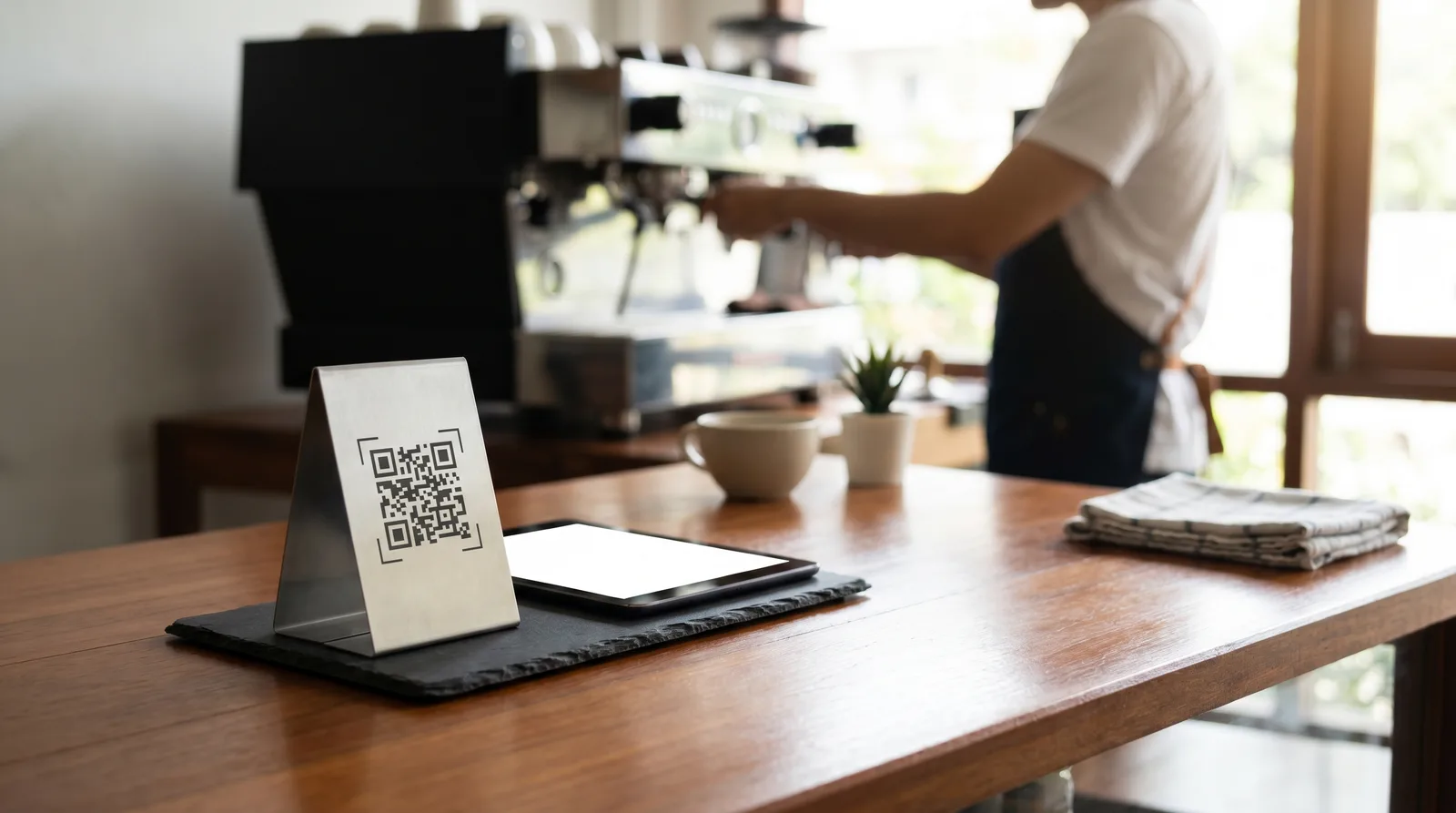
A guest scans your QR code, searches your menu for ten seconds, finds no clear vegan or halal markers, and quietly closes the tab to check the restaurant next door. That silent exit happens far more often than most owners realize. Research from Mintel found that 39% of diners say a lack of clear dietary information has stopped them from ordering a dish. A well-built dietary labels menu turns that hesitation into a confident order.
This guide covers how to label vegan, halal, and kosher options on a digital menu accurately, the certification nuances that trip restaurants up, and how to make those labels actually useful to the people scanning them.
Why a Dietary Labels Menu Drives Revenue, Not Just Goodwill
Clear dietary labeling is not a compliance chore. It is a sales tool. The global market for plant-based food is projected by Bloomberg Intelligence to reach roughly $162 billion by 2030, and demand for halal-certified dining is growing across Europe and the US as well.
When a group of four decides where to eat, a single member with dietary restrictions often holds veto power. If your menu instantly shows that person three vegan mains or a halal-certified grill section, you win the whole table. If they cannot tell, you lose all four. Labeling is one of the highest-leverage menu decisions you can make, and it costs nothing but accuracy.
A few concrete wins from strong dietary labeling:
- Faster ordering, which improves table turnover during peak service.
- Fewer "is this vegan?" questions for already-stretched servers.
- Higher confidence, which research consistently ties to larger average checks.
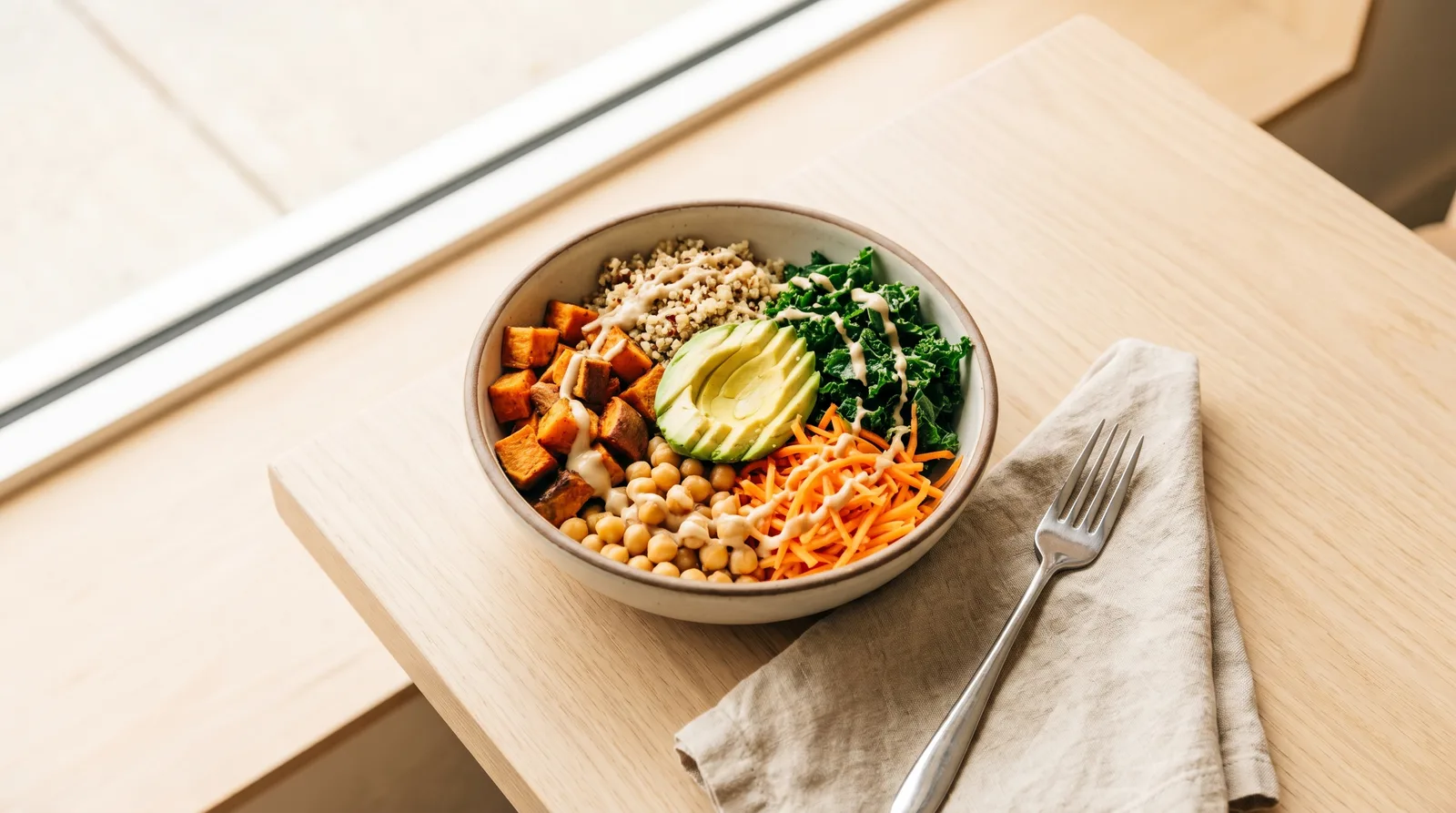
Labeling Vegan Options Without Overpromising
Vegan is the most misused label on restaurant menus. "Vegetarian" and "plant-based" are not interchangeable with "vegan," and getting it wrong erodes trust fast.
Be precise about cross-contact and hidden ingredients:
- Check stocks, sauces, and dressings. Fish sauce, honey, gelatin, Worcestershire sauce, and dairy-based emulsifiers disqualify a dish that otherwise looks plant-based.
- Separate "vegan" from "vegetarian" with distinct tags. Do not collapse them into one label.
- Flag dishes that can be made vegan on request, but tag them honestly as modifiable rather than fully vegan by default.
On a digital menu you can attach a vegan tag to every qualifying item and let diners filter the entire menu down to only those dishes in one tap. That single interaction often determines whether a plant-based guest stays or leaves.
Halal Labeling: Certification, Sourcing, and Honesty
Halal labeling carries more weight than a simple icon because it depends on sourcing and preparation, not just the absence of pork or alcohol.
Follow these principles:
- Only use a halal label for meat from a certified halal supplier, and keep the certification documentation on file.
- Be transparent about kitchen conditions. If halal and non-halal proteins share grills or fryers, say so. Many observant diners accept halal-sourced ingredients but want to know about shared equipment.
- Distinguish "halal-certified" from "no pork or alcohol." They are not the same claim, and conflating them damages credibility with the guests who care most.
A digital menu lets you add short, clear notes alongside the halal tag, so a diner sees both the label and the context without having to flag down a server. That clarity is what converts a cautious first-time visitor into a regular.
Kosher Labeling and the Detail Most Menus Miss
Kosher labeling is the most demanding of the three because it governs ingredients, sourcing, equipment, and the separation of meat and dairy.
If your kitchen is not under formal kosher supervision, do not label individual dishes as "kosher." Instead, use accurate descriptors such as "kosher-style," "dairy-free," or "pareve" where they genuinely apply. Misusing the kosher label is the single fastest way to lose the trust of an observant guest.
Where you do hold certification, surface it clearly. Note your certifying authority, and use distinct tags so diners can separate meat, dairy, and pareve items at a glance. For a multi-location group, the features in a digital menu platform let you apply the right labels per venue, since one location may be certified while another is not.
Making Your Dietary Labels Menu Actually Usable
A label only works if a diner can find and trust it. Static PDFs and laminated cards fail here because guests have to scroll, squint, and cross-reference. A study by the National Restaurant Association reported that 70% of operators see QR-based digital menus as a lasting fixture of the dining experience, largely because they make exactly this kind of information instantly searchable.
Practical steps for a usable dietary labels menu:
- Use consistent icons and the same wording across every dish and every location.
- Enable filtering so a guest can isolate vegan, halal, or kosher-style items in one tap.
- Pair dietary tags with allergen tags. A vegan diner with a nut allergy needs both filters working together, which is why aligning your labels with official food allergen guidance matters as much as the dietary tags themselves.
- Keep labels current. When a recipe or supplier changes, update the tag the same day.
Vino supports allergen icons and dietary tags at the item level, so diners can filter your menu and identify vegan, halal, or kosher-style options themselves. Because it is built on QR-based digital menus, every edit you make goes live instantly across all your QR codes, with no reprinting and no outdated cards left on tables.
Audit Your Menu Before You Publish
Before you turn on any dietary tags, run a simple audit. Sit down with your head chef and review every dish line by line. Confirm each ingredient, every sauce, and all shared-equipment risks. Document your halal and kosher certifications, and decide honestly which labels you can defend and which you should soften to "style" or "on request."
Accuracy is the entire point. A wrong vegan tag or an overstated kosher claim does more damage than no label at all, because it breaks trust with precisely the guests who scrutinize your menu most closely.
Clear, honest dietary labels widen your audience, speed up service, and turn cautious browsers into confident orders. Start by auditing one section of your menu this week, then build out your full dietary labels menu from there. When you are ready to apply flexible item-level tags and filtering across your venues, do it with Vino and start labeling with confidence.
Ready to go digital?
Create your restaurant's smart digital menu in minutes with Vino. No app downloads, no complicated setup.