How to Write Menu Descriptions That Sell
Learn how to write menu descriptions that sell. Practical, data-backed copywriting tactics that lift orders, raise check averages, and guide guest choices.
On this page 6
"Chicken sandwich." Two words, and you have already lost the sale. Compare that to "buttermilk-brined chicken thigh, smashed avocado, pickled jalapeño on a toasted brioche bun." Same dish, very different appetite. Menu descriptions do real work, and most restaurants leave that work undone. A landmark Cornell University study found that descriptive menu labels increased sales of the named items by 27% and raised customer satisfaction scores, even though the food never changed.
Menu descriptions are one of the cheapest, fastest levers you have to lift revenue. You do not need a new chef, a renovation, or a marketing budget. You need better sentences. This guide breaks down exactly how to write menu descriptions that sell, with concrete rules you can apply to your menu this afternoon.
Why Menu Descriptions That Sell Start With Sensory Language
Guests buy with their imagination before they buy with their stomach. The job of a description is to trigger that imagination. The most effective menu descriptions that sell lean on three sensory triggers: texture, temperature, and aroma.
Look at the difference these words make:
- "Tomato soup" becomes "slow-roasted tomato bisque, finished with basil oil and a crack of black pepper."
- "Brownie" becomes "warm fudge brownie with a molten center and a scoop of vanilla bean ice cream."
- "House salad" becomes "crisp baby gem, shaved parmesan, toasted pine nuts, and a bright lemon vinaigrette."
The pattern is simple. Name the hero ingredient, add one or two sensory or preparation details, then stop. According to research summarized by Toast, descriptive language and smart menu design can meaningfully increase profit per item by drawing the eye and the appetite toward your most profitable dishes.
A word of caution: do not overload. A description that lists eleven ingredients reads like a recipe, not an invitation. Two to three vivid details per item is plenty.
Use Provenance and Storytelling, But Keep It Honest
People pay more for food with a story. "Local heirloom tomatoes," "family recipe since 1962," or "wild-caught Atlantic cod" all signal quality and justify a higher price point. Provenance language gives the guest permission to spend more because it reframes the dish from a commodity into something specific and cared-for.
The rule that matters most here is honesty. If you write "house-made pasta," it had better be house-made. Diners are sharper than ever and quick to call out exaggeration in reviews, which does far more damage than a plain description ever could. Authentic provenance builds trust; invented provenance erodes it.
Keep stories short. A single phrase carries more weight than a paragraph. "Stone-ground in our kitchen each morning" does the job; a four-sentence backstory makes the guest scroll past.
Structure and Length: How Long Should a Description Be?
Length is where most menus go wrong in one of two directions: either nothing at all, or an overwritten wall of text.
The practical guideline is one to two lines, roughly 8 to 20 words for most dishes. Signature plates and high-margin items can earn a slightly longer description because they deserve the spotlight. Side dishes and simple add-ons need almost nothing.
Strong descriptions also follow a readable rhythm:
- Lead with the hero. The main protein or headline ingredient goes first.
- Layer the supporting cast. Two or three complementary components.
- End on a hook. A texture, a sauce, or a finishing touch that lingers.
Formatting matters as much as wording. On a phone screen, dense blocks of text get skipped. Short lines, clear item names in bold, and a little breathing room keep guests reading. The smaller the screen, the more spacing, hierarchy, and scannability matter for keeping guests engaged with your copy.
Write Menu Descriptions That Sell the High-Margin Items
Not every dish deserves equal effort. The smartest operators reverse-engineer their copy from the kitchen's margins. Your highest-profit dishes should get your best descriptions, your boldest placement, and your most appetizing photos.
This is menu engineering in plain terms. Identify your "stars" - items that are both popular and profitable - and make their descriptions irresistible. For an item that costs little but reads like a treat, great copy can shift dozens of orders a week toward your bottom line.
Equally, use restrained language on low-margin items so they do not steal attention from the dishes you actually want to sell. You are not lying about anything; you are simply directing the spotlight. Menu analytics make this far easier, because you can see exactly which items guests view, how long they linger, and what they order, then sharpen the descriptions that are underperforming relative to their margin.
Don't Forget Allergens, Tags, and Dietary Signals
A description that sells is not only about temptation; it is also about removing friction. Roughly one in three diners now actively filters choices by dietary needs, and a guest who cannot quickly confirm a dish is gluten-free or vegan will often default to a safe, cheaper order, or skip the upsell entirely.
Clear signals do the opposite. Tags like "vegan," "spicy," "contains nuts," "chef's favorite," or "new" give guests fast confidence and nudge them toward decisions. They also reduce pressure on your staff, who spend less time answering the same questions table after table.
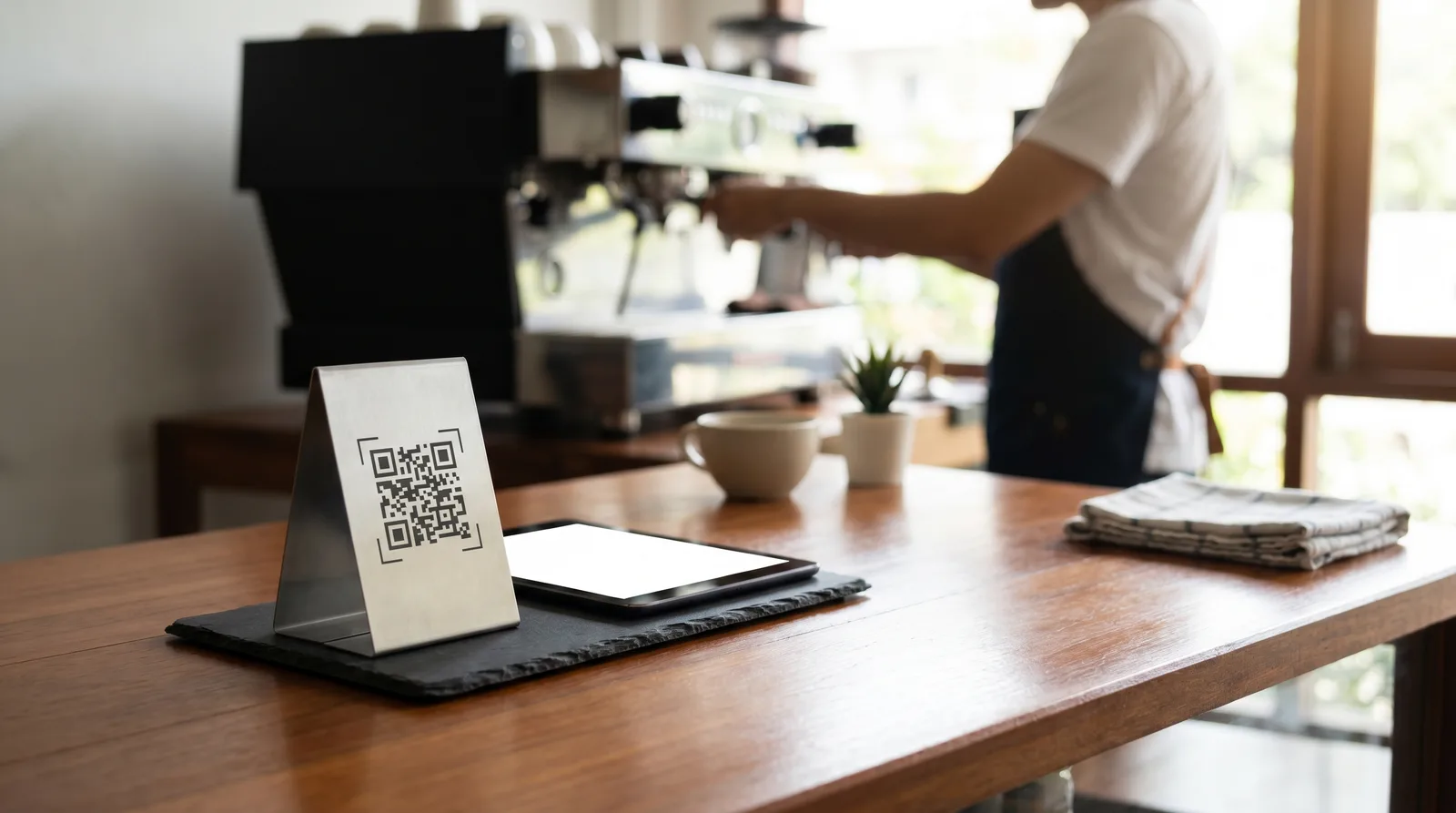
This is one place where a digital menu earns its keep. With Vino, you can add rich descriptions, allergens, and tags for every item in every language, so the same appetizing copy and the same dietary signals reach a local regular and an international tourist alike. When a recipe changes, you edit it once and the update reaches every QR code menu instantly, with no reprints.
A Quick Before-and-After Checklist
Before your descriptions go live, run each one through this filter:
- Does it name a specific hero ingredient rather than a generic category?
- Does it include one or two sensory or preparation details?
- Is every claim true, including provenance and "house-made" language?
- Is it short enough to read on a phone in under three seconds?
- Do high-margin dishes get the strongest copy?
- Are allergens and dietary tags clearly attached?
If a description fails any of these, rewrite it. The exercise takes minutes per item and the payoff compounds with every guest who reads it.
Words are the one ingredient on your menu that costs nothing and works every single shift. Rewriting your descriptions is the rare improvement that is both free and immediate, and a 20 to 30% lift on your best dishes is well within reach. Start with your top five sellers today, sharpen the language, attach the right tags, and watch the orders follow. When you are ready to make those menu descriptions work across every language and screen, create your Vino digital menu and put this guide into practice.
Ready to go digital?
Create your restaurant's smart digital menu in minutes with Vino. No app downloads, no complicated setup.