Restaurant Menu Translation: A Practical AI Guide
A practical guide to restaurant menu translation with AI: cut costs, avoid embarrassing errors, and serve every guest in their own language within minutes.
On this page 6
A bistro owner in Lisbon once paid a freelance translator 400 euros for a German menu. Three weeks later she added a new pasta dish, changed two prices, and dropped a seasonal special. The 400-euro menu was already wrong. That is the trap with manual restaurant menu translation: the moment you edit anything, every language version goes stale.
AI changes the economics completely. Modern restaurant menu translation no longer means hiring six translators or pasting dish names into a free tool and hoping. Done right, it is fast, cheap, and stays in sync with your live menu. Done wrong, it puts "fried husband" on your menu where "grilled flank steak" should be. This guide shows you how to get it right.
Why Restaurant Menu Translation Matters More Than You Think
Tourism spending is enormous and growing. International tourism receipts surpassed 1.7 trillion dollars in 2024, according to UN Tourism, and in destination cities, foreign visitors routinely make up 40 to 70 percent of restaurant covers during peak season.
Here is the part owners underestimate: a guest who cannot read your menu does not order less politely. They order defensively. They skip the appetizer they did not recognize, ignore the wine pairing, and pass on dessert. Industry data consistently shows guests spend meaningfully more, often 15 to 30 percent, when they fully understand what they are ordering.
So restaurant menu translation is not a courtesy. It is a direct lever on average check size. Every untranslated item is a quiet "no" from a guest who would have said yes.
Manual Translation vs. AI: The Honest Comparison
A human translator delivers nuance, but at a real cost in money and time, and they are not standing by every time you tweak a price. The bigger problem is maintenance. Restaurant menus are living documents. Specials rotate, prices move, items get retired.
AI flips that. Good AI menu translation handles your full menu in seconds and re-translates automatically whenever you change something. The trade-off is that raw machine translation can miss culinary context. The solution is not to choose one or the other. It is to let AI do the heavy lifting, then spend ten minutes reviewing the handful of items that need a human eye.
Think of it as a 90/10 split. AI nails 90 percent perfectly. You polish the 10 percent that carries cultural weight.
A Step-by-Step Restaurant Menu Translation Workflow
Here is a workflow you can run today.
1. Build your source menu cleanly. Garbage in, garbage out. Write clear English (or your base language) descriptions before translating. Vague source text produces vague translations.
2. Translate categories, items, and modifiers, not just dish names. Guests read the whole structure. If "Add-ons," "Sides," or "Choose your sauce" stay in one language, the experience breaks. This is where platform choice matters: with Vino, when you save a menu item, category, or modifier, it auto-translates into your selected languages with AI right then, so the entire structure stays consistent.
3. Keep iconic dish names, add a translated description. Do not translate "Coq au Vin" into "Rooster in Wine." Keep the name and let AI translate the description beneath it: "braised chicken in red wine with mushrooms and pearl onions."
4. Prioritize your top markets first. Do not translate into 12 languages on day one. Check your reviews and reservations to see which languages your guests actually use, then start with the top two or three.
5. Review allergens and dietary terms manually. "Gluten-free," "contains nuts," "halal," and "vegan" are not the place for machine guesses. Verify these in every language. They carry legal and safety weight.
Avoiding the Embarrassing Mistakes
AI menu translation is strong, but a few categories trip up every automated system. Watch for these:
- False friends. Spanish "ropa vieja" literally means "old clothes." A description, not a literal translation, is your friend.
- Regional vocabulary. "Aubergine" confuses Americans; "eggplant" confuses Brits. "Rocket" means nothing in US English, where it is arugula. Choose the variant that matches your guests.
- Brand and proper names. Your restaurant's name, signature dishes, and supplier names should usually stay untouched.
- Units and currency. Tourists may not know a "centilitre" pour or a euro price at a glance. A small contextual note removes the friction.
A quick test: ask one bilingual staff member or regular guest to read each new language version aloud. They will catch anything that sounds off in seconds. For a deeper look at serving international guests, build a multilingual digital menu around the languages your tourist traffic actually speaks.
Keeping Every Language in Sync Forever
This is the step manual translation can never solve. The real value of AI is not the first translation. It is the hundredth update.
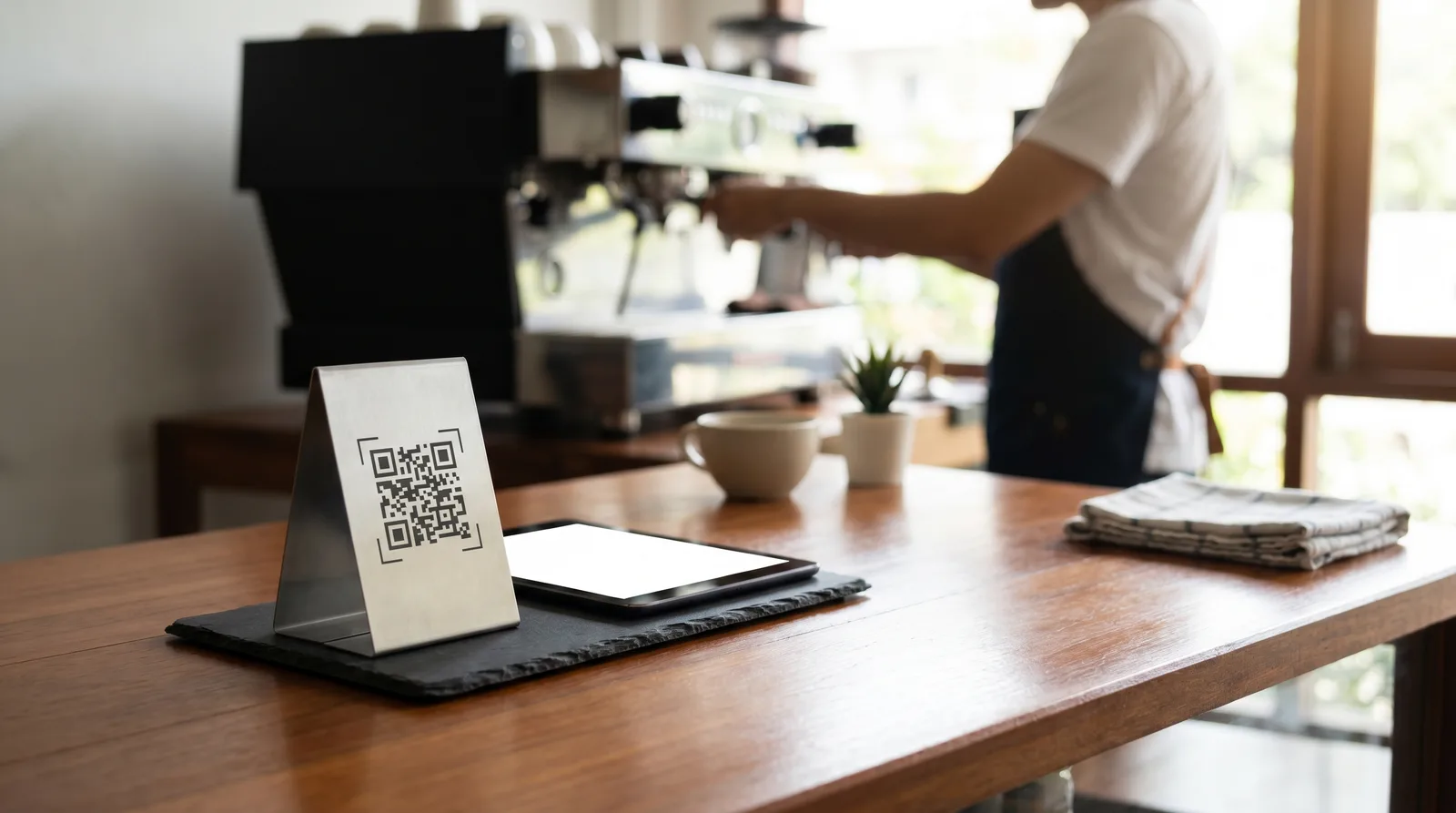
When a price changes or a seasonal dish lands, every language version must update instantly. With a printed menu or a one-time translation file, that means reprinting or re-hiring. With an AI-powered digital menu, you edit once and every language refreshes automatically, served through a single QR code. No stack of laminated booklets, no outdated German page, no server fumbling to find the right version.
That single-source-of-truth setup is what turns translation from a recurring chore into a background feature you never think about again. It also pairs naturally with the rest of a modern setup: QR menus, menu analytics to see what international guests actually order, and photo enhancement so every dish looks as good as it reads. You can compare what fits your restaurant on the Vino pricing page.
Your Next Step
Restaurant menu translation used to be a budget line and a maintenance headache. AI turns it into a ten-minute task that keeps paying off every time a tourist scans your QR code and finds your menu waiting in their language.
Start small and concrete this week. Pick your top two visitor languages, run your menu through AI translation, manually verify allergens and your three or four signature dishes, and test it on your own phone. The next international guest who sits down will order with confidence instead of guessing, and your average check will quietly thank you for it.
Ready to go digital?
Create your restaurant's smart digital menu in minutes with Vino. No app downloads, no complicated setup.