Do AI Menu Photos Increase Orders? The Real Data
Do AI menu photos increase orders? We break down the real data, the psychology, and how to use AI menu photos on a digital menu without misleading guests.
On this page 6
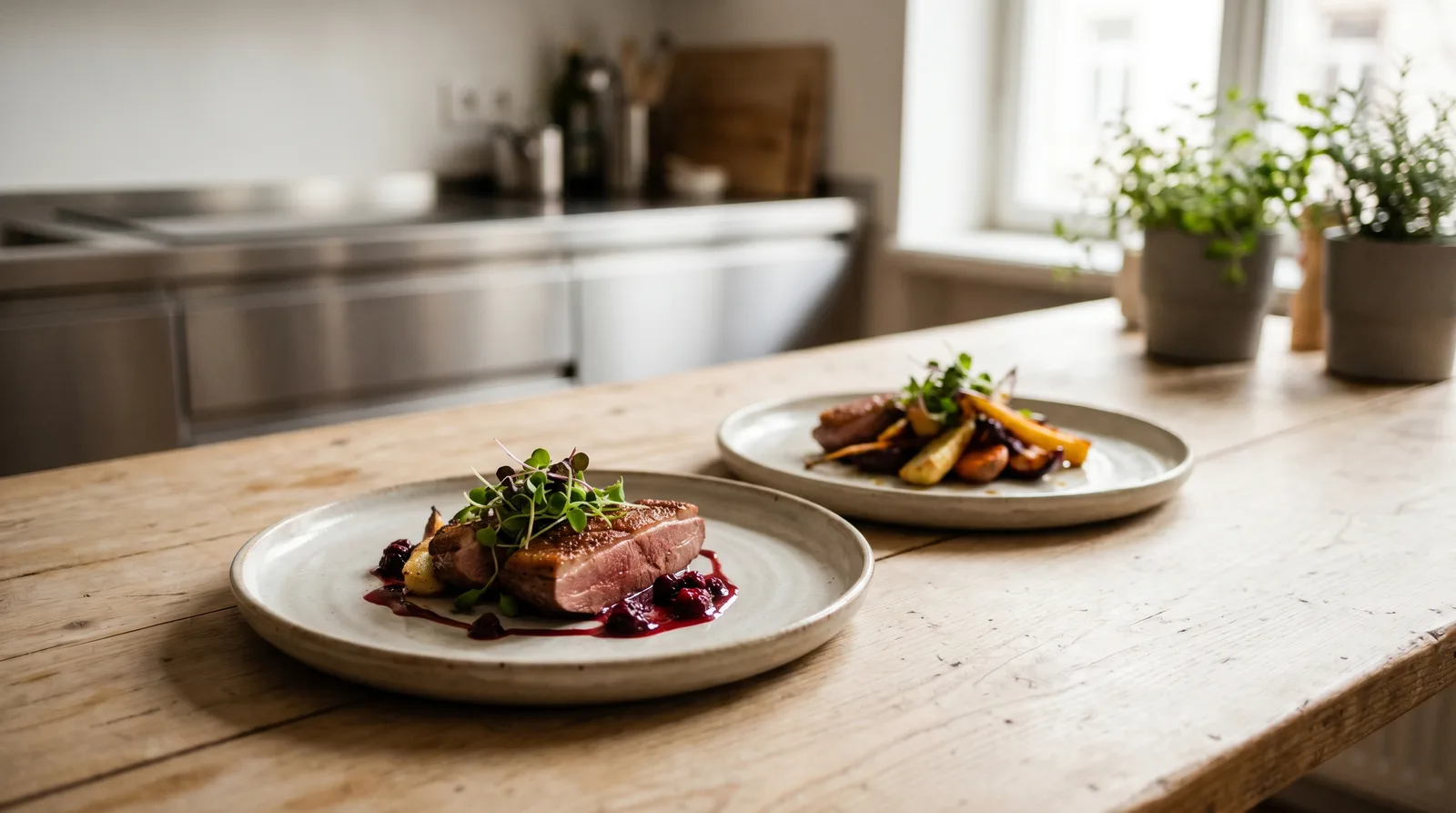
A dish without a photo is a gamble for the guest. They have to imagine what arrives, guess at the portion, and hope it matches the price. So they default to what they already know. That single hesitation, repeated across every table, quietly caps your average order value. AI menu photos promise to close that gap by giving every item a polished, appetizing image in seconds. But do they actually move the numbers, or are they just a shiny new feature? Here is what the data says.
The short version: high-quality photos consistently lift orders, and AI is now the fastest, cheapest way to get them. The longer version comes with one important caveat that most vendors skip over.
What the Data Says About Menu Photos and Orders
The link between images and orders is one of the most consistent findings in restaurant research. According to the National Restaurant Association, visual menu elements significantly influence what guests choose, and digital formats amplify that effect because customers browse them the same way they browse a delivery app or social feed.
Across digital menu platforms, a recurring pattern shows up: menu items paired with a quality photo get ordered roughly 25 to 30 percent more often than the identical item with text alone. The effect is strongest on higher-margin items and dishes guests are unfamiliar with, where a photo removes the uncertainty that pushes people toward the "safe" order.
So the real question was never whether photos help. It was whether restaurants could afford to photograph every dish and keep those images current through menu changes. Professional food photography runs hundreds of dollars per session, which is why most small and mid-size restaurants left half their menu without images. AI menu photos change that math.
How AI Menu Photos Actually Work
There are two distinct things people mean when they say AI menu photos, and they are worth separating.
- AI photo enhancement. You upload a real photo taken on a phone, and the AI corrects the lighting, balances the color, sharpens the texture, and cleans up the background. The dish is genuinely yours; the AI just makes it look like it was shot in a studio.
- AI photo generation. You describe a dish, or start from a basic reference, and the AI produces a styled image of that item. This fills gaps fast when you have no usable photo at all.
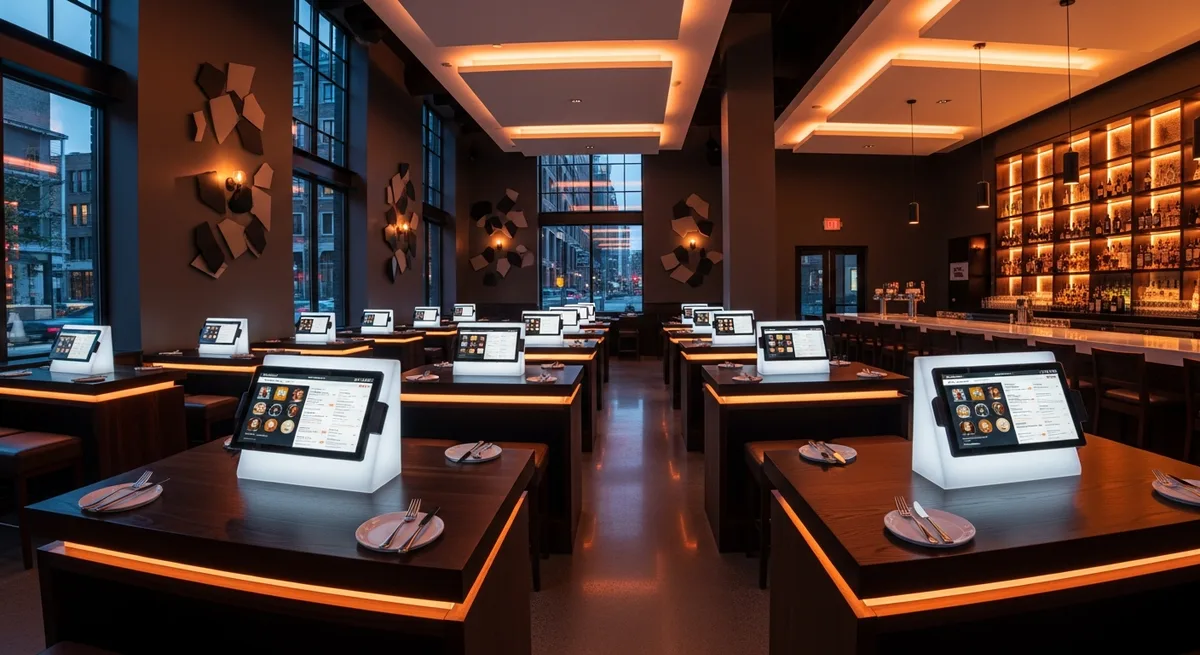
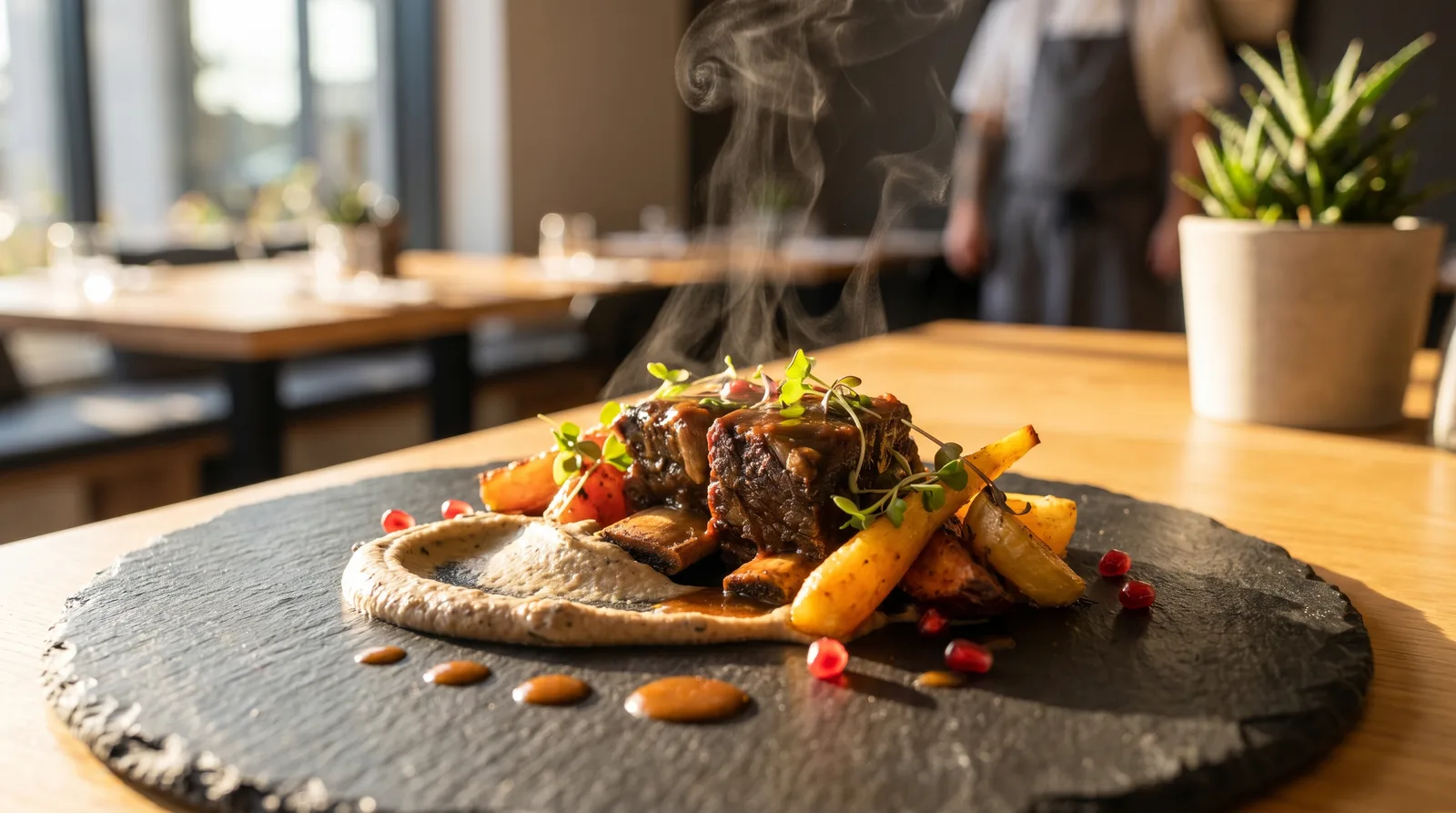
Both approaches let a restaurant give every item an image in an afternoon instead of booking a photographer for a week. A platform like Vino can enhance the photos you already have or generate new ones directly inside the menu editor, so a manager can fix a poorly lit photo or fill an empty slot without leaving the dashboard. That speed is the whole point: the faster you can add and refresh images, the more of your menu gets the order-lifting benefit of a photo.
The One Rule That Keeps AI Menu Photos Honest
Here is the caveat the data also makes clear: photos only build sales if they build trust. An image that oversells the dish does short-term damage you pay for later.
Guests who order based on a glossy photo and receive something noticeably smaller, plainer, or differently composed feel misled. That gap shows up as disappointed reviews, fewer repeat visits, and refund requests, which costs far more than the extra order ever earned. AI generation makes this risk real because it is easy to produce an image that looks nothing like what your kitchen actually plates.
The rule is simple: the photo must represent the real dish. Use AI enhancement freely, because it improves how a real plate is captured. Use AI generation carefully, and only when the result genuinely matches what arrives at the table. Treat AI photos the way you would a hired photographer's work, with the same honesty about portion, garnish, and presentation. Done right, AI menu photos increase orders and protect the trust that keeps guests coming back.
Where AI Menu Photos Deliver the Biggest Lift
Not every item needs a photo, and adding one to all of them actually dilutes the effect. When everything is illustrated, nothing stands out. Concentrate your AI menu photos where they earn the most:
- High-margin signature dishes. A strong image on your most profitable items steers attention exactly where you want it.
- Unfamiliar or specialty items. Photos remove the hesitation that makes guests skip a dish they cannot picture.
- Upsells and add-ons. A photo of a dessert, a side, or a premium pairing makes the extra spend feel worth it. Pairing strong images with proven digital menu upselling techniques creates a compounding effect.
- Seasonal and limited-time specials. AI makes it fast to add an image the day a special launches, instead of leaving it text-only because there was no time to shoot it.
A practical target is two to three strong photos per category, anchored on your best margins. AI makes that selective approach effortless to maintain, because refreshing an image takes seconds rather than another photo shoot.
How to Test Whether It Worked
You do not have to take the order lift on faith. Treat your photo rollout as an experiment and let your own numbers decide.
- Set a baseline. Note current order counts for a handful of items before you add photos.
- Add images to half. Photograph or AI-enhance one group of items and leave a comparable group text-only for two to four weeks.
- Compare the change. Use your menu analytics to see whether the items with photos pulled ahead. Most digital menu platforms track views and orders per item, which makes this straightforward.
- Refine and repeat. Replace any photo that gets lots of views but few orders, and roll the winners out across the rest of the menu.
This loop turns a vague belief into evidence specific to your restaurant, your guests, and your prices. It also tells you which items deserve a real photo shoot and which are served perfectly well by an AI-enhanced image.
The Bottom Line for Restaurant Owners
Do AI menu photos increase orders? The evidence points firmly to yes, as long as the images are appetizing and honest. Quality photos reliably lift orders by a quarter or more on the items that matter, and AI finally makes it affordable to give those items great images and keep them current through every menu change.
The winning move is not to AI-generate your entire menu overnight. It is to enhance the real photos you have, fill the most valuable gaps, keep every image faithful to the plate, and measure the result. Start with your five highest-margin dishes this week, watch your analytics, and let the order numbers tell you where to go next. To see how AI photo tools fit alongside QR menus, analytics, and the rest of a modern digital menu, explore Vino's pricing and plans.
Ready to go digital?
Create your restaurant's smart digital menu in minutes with Vino. No app downloads, no complicated setup.