Restaurant Menu Ab Testing: A Guide for Owners
A practical menu ab testing guide for restaurants. Learn how to test dish names, prices, photos, and placement to lift orders and margins with real data.
On this page 6
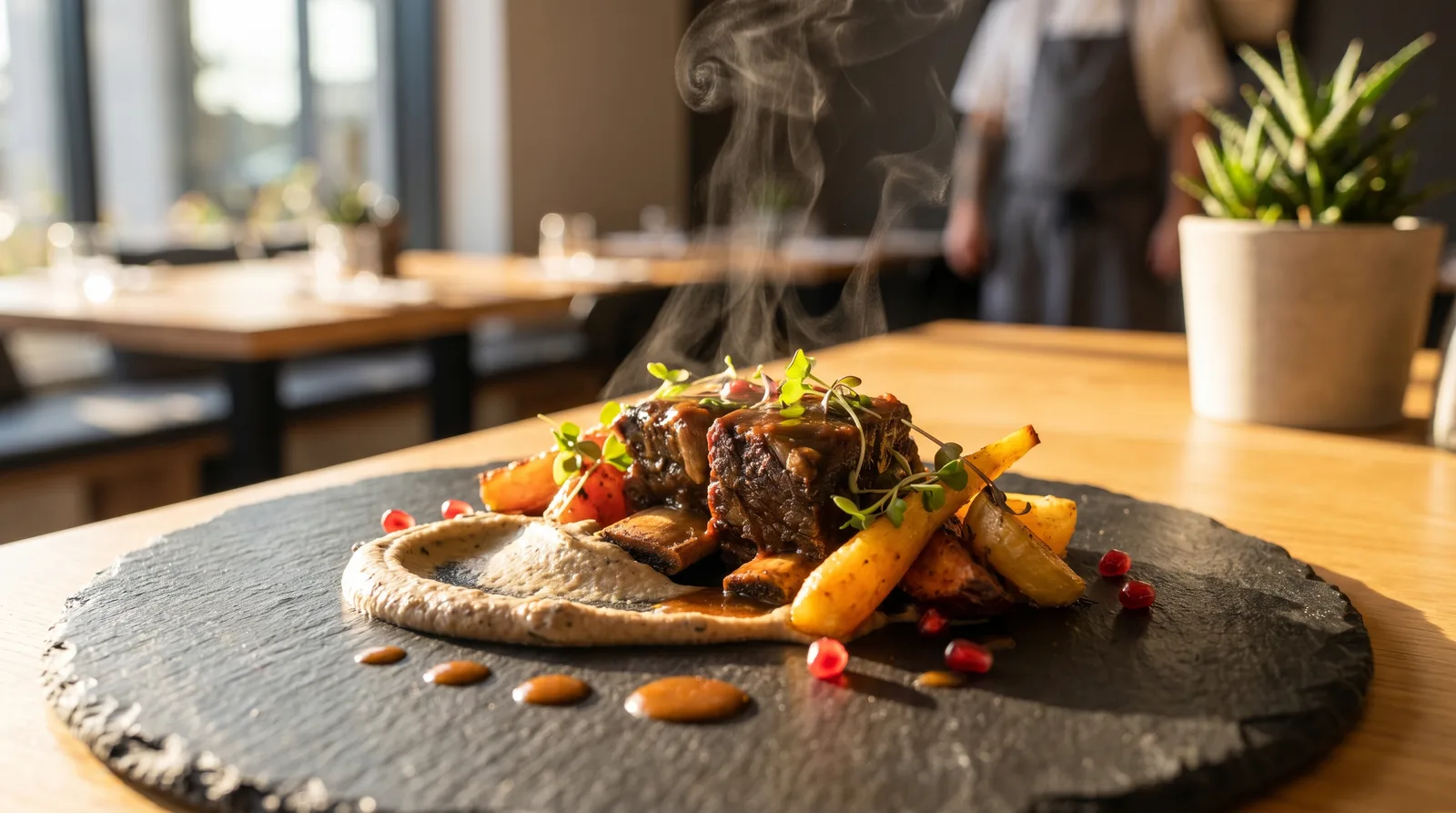
A chef once spent three weeks debating whether to call a dish "Slow-Braised Short Rib" or "48-Hour Beef." She picked the second name on a hunch. Orders fell. Six months later she had no idea why, and no way to undo the guess. That is the real cost of running a menu on instinct: every change is a bet you never get to settle. Menu ab testing is how you settle those bets with data instead.
Menu ab testing replaces those bets with evidence. Instead of redesigning your whole menu and hoping revenue moves, you change one variable, measure how guests respond, and keep what works. Digital menus make this possible for the first time at the small-restaurant level, because every view, scroll, and tap becomes data you can read by the end of the week.
What Menu Ab Testing Actually Means
A/B testing compares two versions of one element to see which performs better. Version A is your current menu. Version B changes exactly one thing - a dish name, a price, a photo, or where an item sits in its category. You then compare how each version performs against a clear metric, usually the percentage of guests who view an item and go on to order it.
The discipline is in the word "one." If you rename a dish, add a photo, and raise the price all at once and sales jump, you have learned nothing about which change did the work. Marketers call this principle single-variable testing, and it is the difference between a real experiment and a guess in a nicer outfit.
This is where menu ab testing has historically been hard for restaurants. Reprinting menus is slow and expensive, and a paper menu tells you nothing about what guests looked at before they ordered. Digital menus remove both barriers.
Why This Was Impossible With Paper
Paper menus are a black box. A guest opens it, reads something, and orders. You see the final order, but never the journey - which items they considered, which they skipped, how far down they scrolled. You also cannot change a printed menu cheaply or quickly, so testing five variations means five print runs.
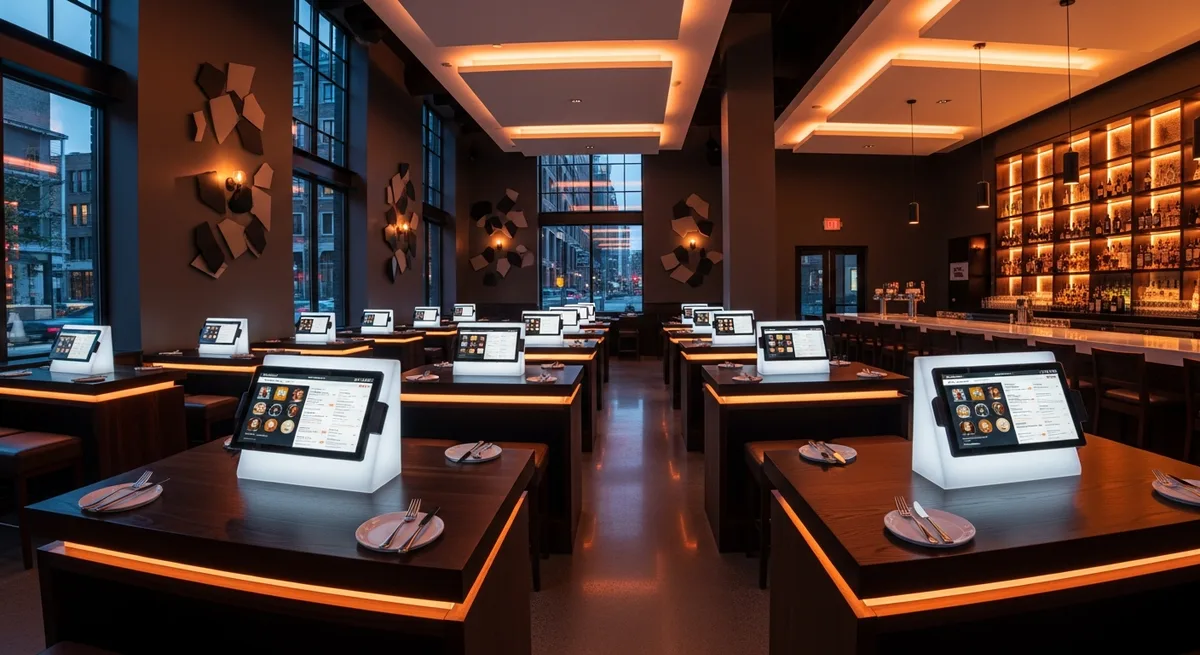
Digital menus flip this. According to the National Restaurant Association, the majority of operators now use technology to improve guest experience and operations, and menu data sits at the center of that shift. When your menu lives on a screen, you can edit it instantly and watch how those edits change behavior, with no printer involved.
That combination - instant edits plus per-dish view data - is exactly what makes structured menu ab testing realistic for an independent restaurant, not just a national chain with an analytics team.
What to Test First
Not all tests are worth running. Start with changes that are cheap to make and likely to move money. These four deliver the highest return:
Dish names. "Garden Salad" versus "Heirloom Tomato and Burrata" can shift orders meaningfully. Research from Cornell on descriptive menu labels found that vivid, specific names increased sales of the affected items by up to 27% and improved how guests rated the food.
Item placement. Items in the first two or three positions of a category typically get far more views than those at the bottom. Test moving a high-margin dish up and watch its view rate.
Prices. Test $14 against $15 on a popular item. A one-dollar change across a few hundred covers a week adds up fast, and conversion data tells you whether guests even notice.
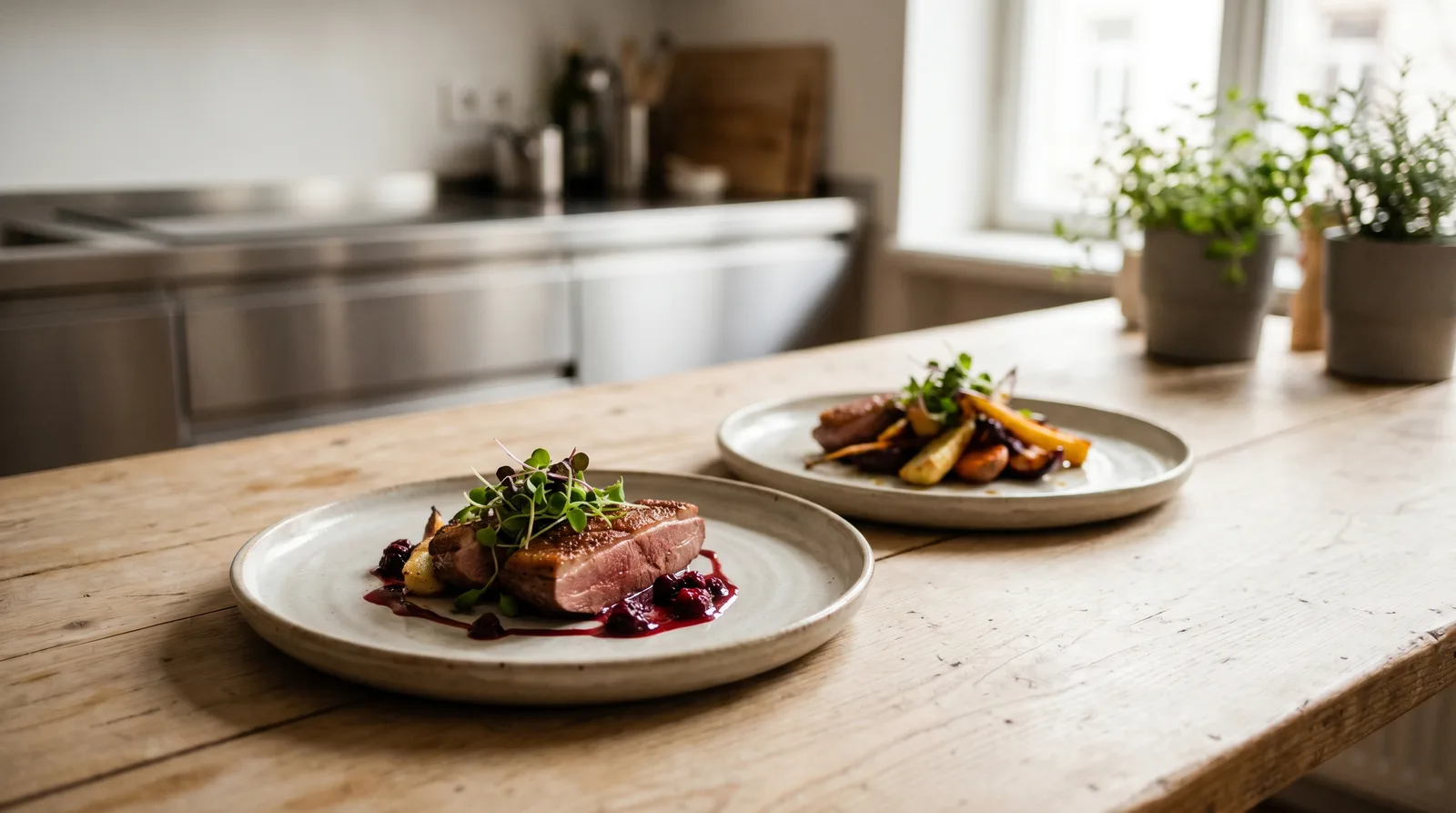
Photos. Test a dish with no photo against the same dish with a strong one. Visuals usually lift orders, but the size of the lift varies by dish, and only a test tells you where to invest in photography.
Pick one of these, change it on a single item, and leave everything else alone.
How to Run a Clean Menu Ab Testing Experiment
A trustworthy test needs structure. Follow these steps:
- Pick one item and one variable. A high-margin dish you want to sell more of is a good candidate.
- Set a clear metric. View-to-order conversion rate is the cleanest. View count alone tells you about attention, not appetite.
- Run long enough. Give each version at least one to two full weeks so weekday and weekend traffic both count. A single busy Saturday is not a result.
- Account for your context. A pasta special tests differently in January than in July. Compare like periods where you can.
- Change the version, then measure again. Keep the test window similar in length and day-mix.
- Decide and lock it in. Keep the winner, document what you learned, and move to the next test.
This is where a platform like Vino fits naturally. Its menu analytics show how many guests view each dish, and its instant menu edits let you switch from version A to version B in seconds with no reprint. Together they turn a vague hunch into a measurable experiment you can actually settle.
Reading the Results Honestly
The hardest part of menu ab testing is not running the test - it is resisting the urge to read what you want into it. Three guardrails help.
First, watch your sample size. A change that looks dramatic over 30 covers can vanish over 300. Wait until enough guests have seen both versions before you trust the gap.
Second, separate correlation from cause. If orders of a dish rose the same week you also ran a half-price wine promotion, the wine may be doing the work. One variable at a time protects you here.
Third, accept null results. Plenty of tests show no meaningful difference, and that is useful too - it tells you to stop spending energy on that element and test something with more leverage. A test that saves you from a pointless redesign has paid for itself.
Turn Guesswork Into a System
The restaurants that win on margin are not the ones with the best instincts. They are the ones that stopped guessing. Each test you run is small, but the compounding effect is large: a better name here, a smarter price there, a photo that finally earns its place. Over a year, those decisions separate a menu that drifts from one that improves.
You do not need a data team to start. You need one dish, one change, and a menu that lets you measure the difference. Explore how Vino's menu analytics and features can help you run your first test this week - and make your next menu decision the one you can prove.
Ready to go digital?
Create your restaurant's smart digital menu in minutes with Vino. No app downloads, no complicated setup.