Restaurant Local SEO: Get Your Menu Found on Google
A practical restaurant local SEO playbook to get your menu found on Google, win the Map Pack, and turn nearby searches into booked tables and more orders.
On this page 6
A hungry person three blocks away just typed "tapas near me" into Google. In the next ten seconds they will pick a restaurant, look at the menu, and decide where to spend their money. The only question is whether that restaurant is yours. Restaurant local SEO is the discipline that decides who shows up in that moment, and most independent operators are leaving it almost entirely to chance.
The good news: local search rewards businesses that put in basic, consistent effort. You do not need an agency or a five-figure budget. You need a clear understanding of how Google ranks nearby restaurants and the patience to get the fundamentals right. Below is a playbook you can work through this week.
Why Restaurant Local SEO Decides Who Gets the Table
Local intent dominates restaurant discovery. Google has reported that "near me" searches have grown dramatically over the past decade, and food and dining is one of the highest-volume local categories. According to Google's own consumer research, the overwhelming majority of people who run a local search on their phone visit a related business within a day, and a large share visit within hours.
That immediacy changes everything. A diner searching at 7 PM on a Friday is deciding right now. Restaurant local SEO is about being the obvious, frictionless choice in that narrow window: visible in the results, trustworthy at a glance, and one tap away from a menu they can actually read on their phone. The competition is not the restaurant with the biggest ad budget. It is the one that has its house in order.
Claim and Perfect Your Google Business Profile
Your Google Business Profile (the panel that appears on the right of search and inside Google Maps) is the single most important asset in restaurant local SEO. Google pulls the "Map Pack" - the three local results shown above the regular links - largely from these profiles.
Work through this checklist:
- Claim and verify the listing if you have not already. Unverified or duplicate listings quietly bleed traffic.
- Nail your NAP consistency. Your Name, Address, and Phone number must match exactly everywhere they appear online. Inconsistencies confuse Google and erode ranking trust.
- Choose precise categories. "Italian restaurant" plus relevant secondary categories beats a vague "Restaurant."
- Set accurate hours, including holiday hours. Nothing kills trust like a guest arriving at a locked door.
- Add a menu link that points to a fast, mobile-friendly menu, not a PDF that takes ten seconds to load and pinches to read.
- Post regularly. Specials, events, and seasonal dishes signal that the business is active.
Google rewards profiles that look maintained and complete. Twenty minutes of cleanup here often outperforms hours spent elsewhere.
Make Your Menu the Centerpiece of Restaurant Local SEO
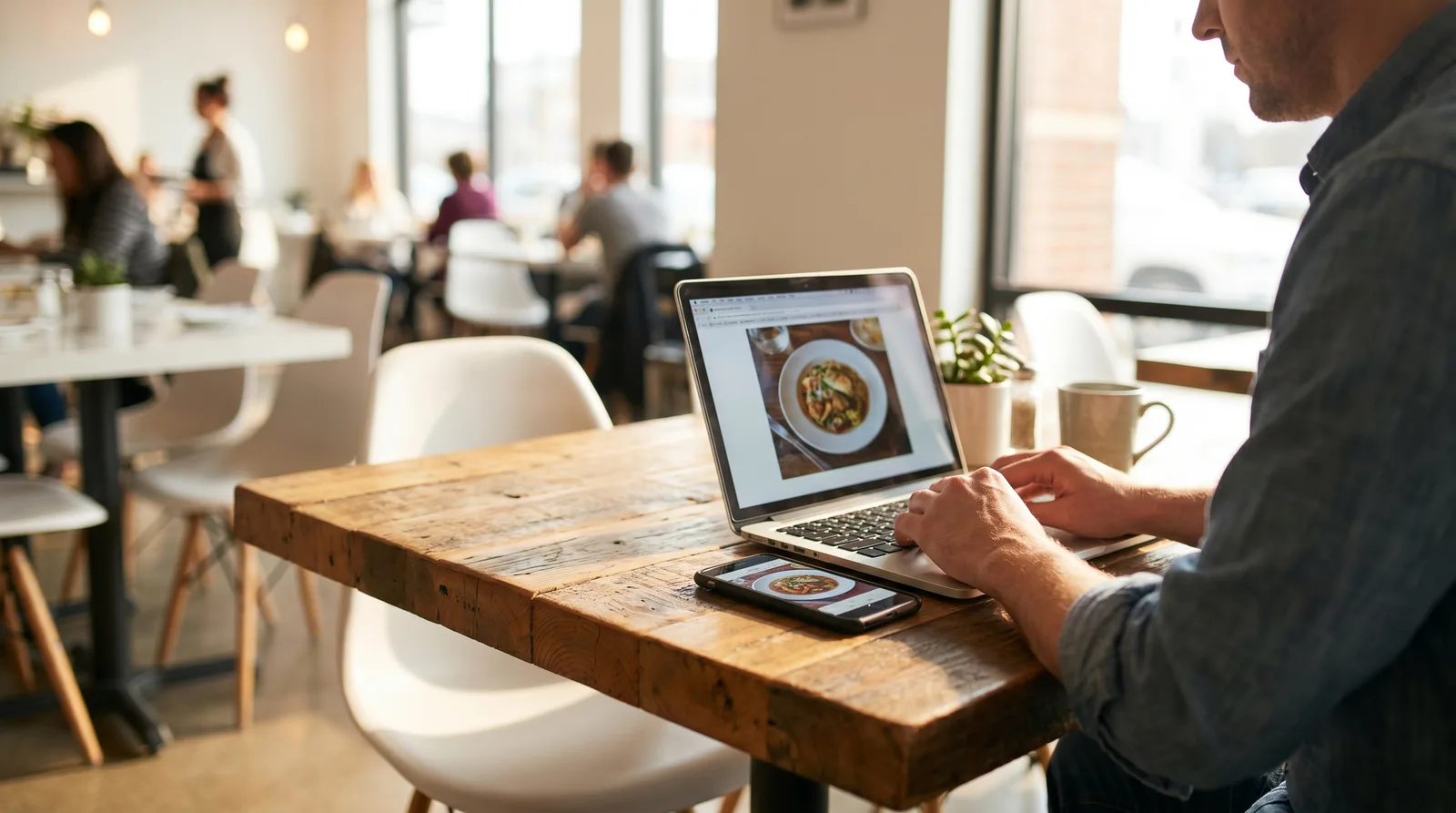
Here is the gap most restaurants miss: your menu is content, and content is what Google indexes. When someone searches for "gluten free pizza Lisbon" or "vegan brunch Berlin," Google matches those words against pages it can crawl. A menu trapped inside an image or a downloadable PDF is largely invisible to that process.
A public, web-based menu solves this. Because every dish name, description, and category is real text on a real web page, search engines can read it, index it, and surface it for the specific dishes people search for. This is where a platform built for restaurants earns its keep. Vino's public menus are SEO-friendly by design, and each menu includes its own SEO title and description settings plus a live Google search preview, so you can write the exact headline and snippet diners see in results and check it on desktop and mobile before you publish.
Keep the writing human. Describe dishes the way guests search: ingredients, dietary tags ("vegan," "gluten free," "halal"), cuisine style, and signature items. You are not stuffing keywords; you are describing your food clearly, which happens to be what both diners and search engines want.
Win the Reviews Game (the Right Way)
Reviews are a top-tier local ranking factor and the biggest driver of click-throughs once you appear in results. Volume, recency, and average rating all feed into how prominently Google displays you, and into whether a diner picks you over the restaurant listed right above or below.
Build a simple, repeatable habit:
- Ask at the right moment, when a guest is happy and the meal is fresh in mind.
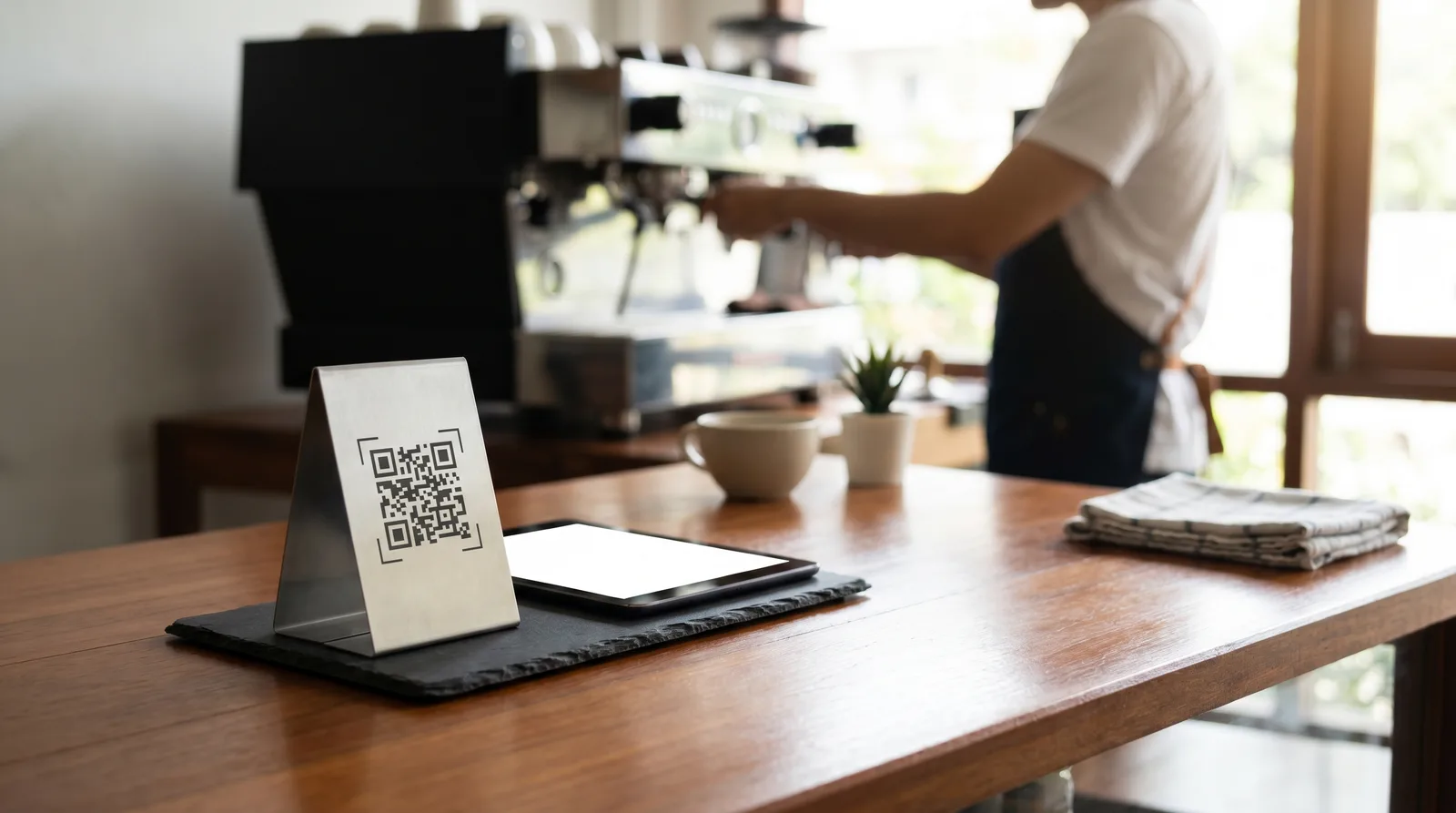
- Make it one tap. A QR code on the receipt or table that opens your review link removes all friction.
- Respond to every review, positive and negative. Replies signal an engaged business and give you a chance to add keyword-rich, natural context.
- Never buy or fake reviews. Platforms detect this, and the penalties are severe.
A steady trickle of genuine, recent reviews beats a one-time flood every time. Vino can prompt happy diners toward your review page directly from the menu, turning a finished meal into fresh social proof.
Speed, Mobile, and the Technical Basics
Local searches are overwhelmingly mobile, and Google ranks for the mobile experience first. A menu that loads slowly or renders awkwardly on a phone will lose diners no matter how good your food is. Deloitte's restaurant research has repeatedly shown that digital convenience strongly influences where guests choose to spend, and friction at the discovery stage is where most of them quietly drop off.
Focus on the basics that move rankings:
- Page speed. Compressed images and lightweight pages load fast even on weak mobile connections.
- Mobile usability. Readable text, tappable buttons, no horizontal scrolling.
- Structured information. Clear address, hours, and contact details that both diners and search engines can parse.
- Multilingual reach. In tourist-heavy areas, a menu that auto-translates into a visitor's language widens the pool of people who can find and understand you.
These are not glamorous, but they are the difference between appearing in results and being skipped.
Turn Local Searches Into Booked Tables
Restaurant local SEO is not a one-off project; it is a habit. Claim and polish your Google Business Profile, publish a menu that search engines can actually read, earn genuine reviews on a steady cadence, and keep the mobile experience fast. Do those four things consistently and you will steadily climb above competitors who treat search as an afterthought.
The compounding payoff is real: every nearby search becomes a chance to win a table instead of losing it to the restaurant next door. If your menu is still locked in a PDF or an image, start there - it is the fastest win available. Explore how a search-friendly digital menu with built-in SEO controls works on the Vino features page, and put your restaurant in front of the diners already looking for you.
Ready to go digital?
Create your restaurant's smart digital menu in minutes with Vino. No app downloads, no complicated setup.