Are QR Code Menus Dead in 2026? The Data
Are QR code menus dead in 2026? We weigh the data on adoption, where QR menus fail, and where they win, so restaurants know when a digital menu still pays off.
On this page 7
A food writer declares QR menus "officially over." A week later, a 40-table bistro swaps its laminated cards for a scan code and watches average check climb. Both stories are real, and that contradiction is exactly why the question keeps coming up: are QR code menus dead, or did a few bad experiences poison the well?
Are QR code menus dead? No. They are not dead, but the lazy versions are. Diners rejected blurry PDFs and pinch-to-zoom misery, not the technology itself. Fast, well-built QR menus remain widely used in casual and fast-casual dining, and they still cut printing costs while lifting orders when implemented with care.
Are QR Code Menus Dead? The Short Answer
The "QR menus are dead" headline is mostly about disappointment with execution. During the rush to go contactless, thousands of restaurants linked a QR sticker to a static PDF and called it done. That PDF loaded slowly, ignored phone screens, and gave guests nothing a paper menu didn't. People soured on the experience.
But that is a design failure, not a verdict on the format. A QR code is just a doorway. What sits behind it, a sluggish file or a fast, image-rich menu, decides whether guests love or loathe it. So when someone asks whether QR code menus are dead, the honest answer is that bad ones deserve to be and good ones are quietly thriving.
What the 2026 Data Actually Says
Adoption tells a calmer story than the headlines. Industry data compiled by Statista points to the same pattern: a sharp pandemic-era spike, a modest pullback as some restaurants returned to print, then a stable plateau where a large share of casual operators kept digital menus.
A few realities behind the numbers:
- Casual and fast-casual held steady. These segments saw the least friction and the clearest savings, so adoption stuck rather than reversed.
- The pullback was selective, not total. Some fine-dining rooms dropped QR-only menus, but most kept a digital version alongside paper.
- Quality, not quantity, became the story. The shift moved away from clunky PDFs toward fast, interactive menus that load in under two seconds.
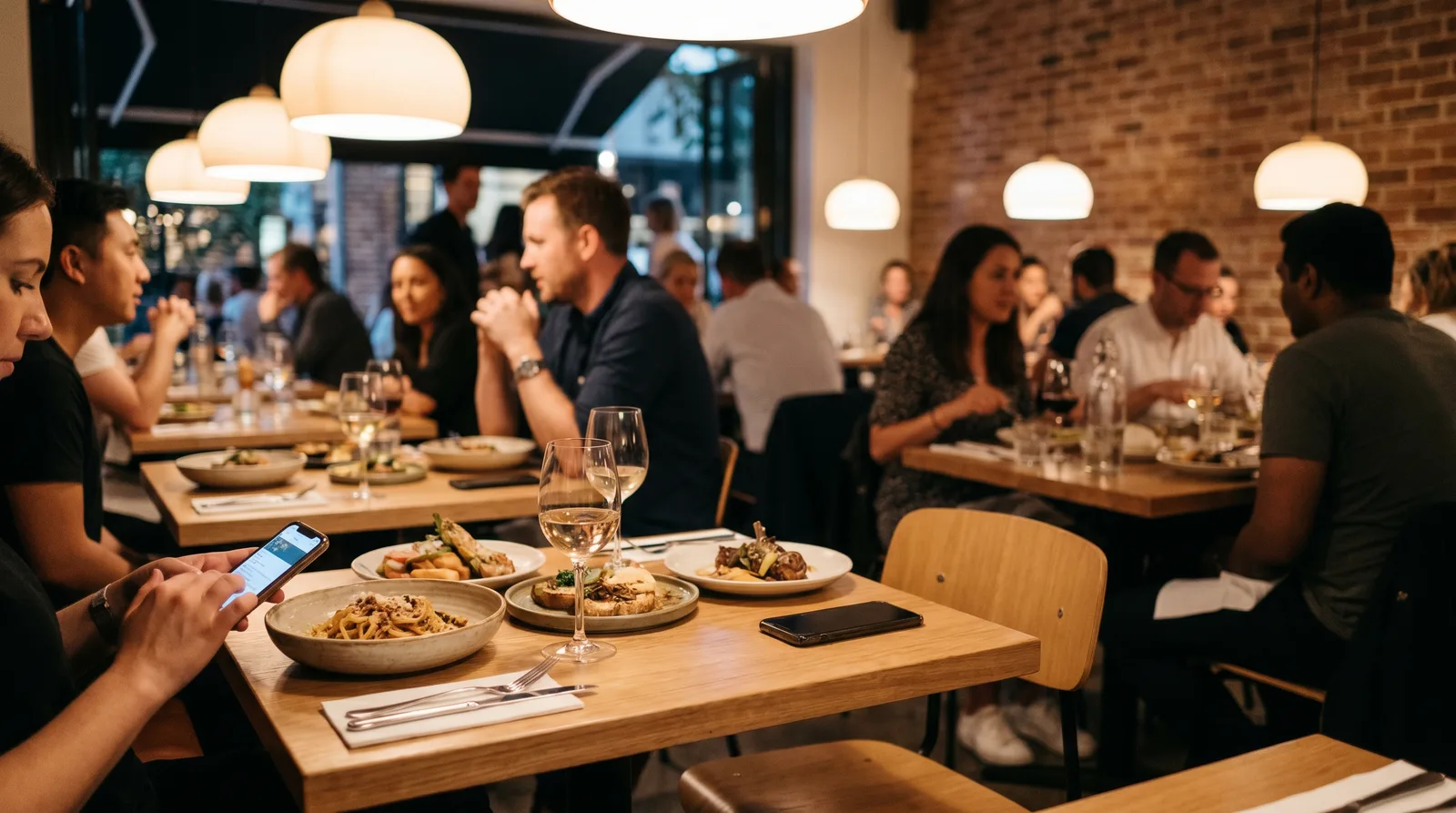
- Diners are split, not hostile. Surveys show a meaningful group who prefer scanning, especially younger guests, alongside a group who want paper.
So "do restaurants still use QR menus?" Yes, broadly. What changed is the bar for doing it well.
Where QR Menus Fail and Why People Say QR Code Menus Are Dead
Understanding the failures is the fastest route to a menu people enjoy. The complaints cluster around a handful of avoidable mistakes.
- The PDF trap. A scanned document forces zooming and panning. It is the single biggest reason people say QR menus are dead.
- Slow load times. Heavy images and no mobile optimization mean a hungry guest stares at a spinner. A few seconds feels like forever.
- No fallback. When a phone is dead, data is spotty, or a guest prefers paper, a QR-only setup leaves them stranded.
- Lost human contact. In higher-end rooms, handing someone a screen can feel like a downgrade in hospitality.
- Tracking creep. Menus that demand sign-ups or bury food behind marketing erode trust fast.
None of these are inherent to QR codes. They are choices, and each one has a fix. We break the cost side down further in QR code menu vs printed menu cost.
Where QR Code Menus Clearly Win
When the execution is right, the upside is hard to argue with, the other half of the "are QR code menus dead" debate.
- Instant updates. Sold out of the special or changing a price? Edit once and every table sees it immediately, with no reprint and no marked-up laminate.
- Real savings on print. Restaurants that reprint menus for seasonal changes, dietary notes, or price shifts spend more than they expect. Digital removes that recurring bill.
- Multilingual reach. One menu can serve guests in nine languages, including right-to-left Arabic and Hebrew, a genuine advantage in tourist-heavy areas.
- Higher checks. Good photos and smart placement nudge add-ons. Visual, well-structured menus tend to lift average order value versus text-only cards.
- Useful data. You learn which dishes get viewed, which get skipped, and where guests drop off, insight a paper menu never gives you.
These are the everyday reasons operators kept scanning long after the contactless mandate ended, a case we make in full in why digital menus are the future.
Casual vs Fine Dining: The Nuance
The smartest answer to "are QR code menus dead" is "it depends on the room." Context changes everything.
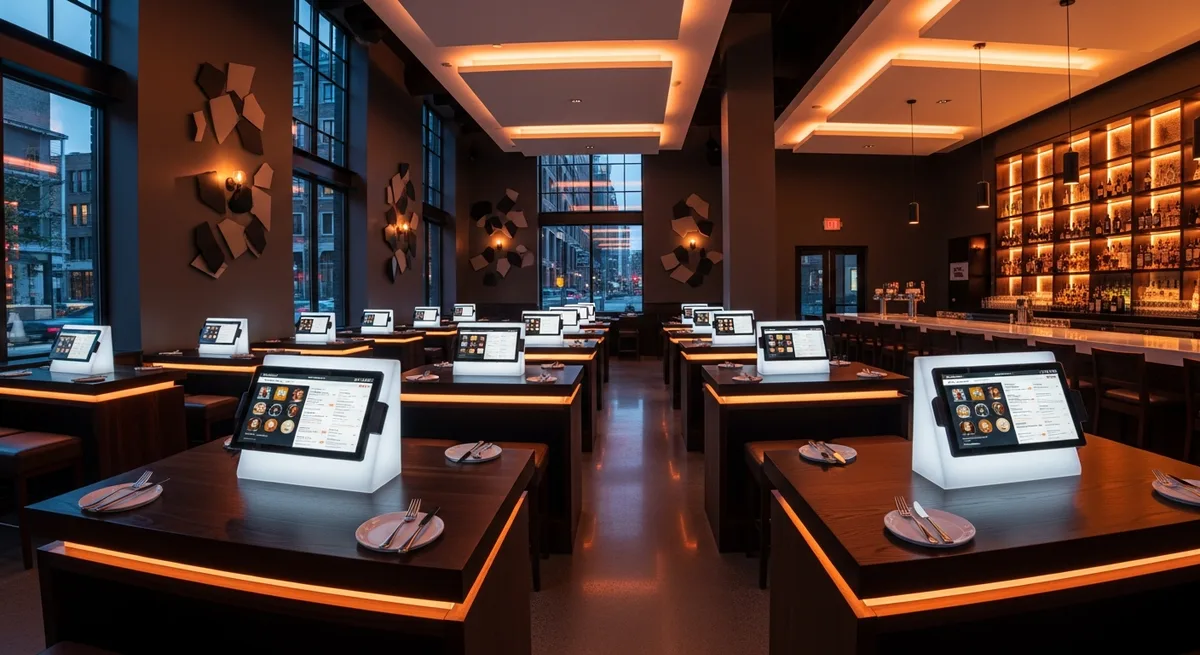
In casual, fast-casual, cafes, bars, and food trucks, speed and self-service are features. Guests expect to scan, browse, and decide quickly. QR menus shine here, and most of these operators never looked back.
In fine dining, the menu is part of the theater. The printed card, the server's narration, and the unhurried pace are the experience. Many upscale rooms keep paper as the centerpiece while using a digital version for allergen details or guests who ask for it. That is selective use, not rejection.
The takeaway: match the tool to the table. A bustling taproom and a tasting-menu restaurant should not run the same playbook, and neither one proves QR menus are obsolete.
How to Do QR Code Menus Right in 2026
If you want the wins without the backlash, treat the menu as a product, not a sticker. A few rules separate the menus people love from the ones that fuel "QR menus are dead" rants.
- Never link to a PDF. Use a proper mobile menu that loads fast and scrolls naturally on a phone.
- Always keep a paper backup. A few printed cards at the host stand solve dead phones, weak signal, and personal preference at once.
- Optimize images and speed. Compress photos, lazy-load, and aim for a sub-two-second load. Speed is hospitality.
- Make it readable. Big tap targets, clear sections, dietary and allergen labels, and high contrast beat clever design.
- Skip the friction. No forced sign-ups to see the food. Let guests browse first; earn the email later.
- Translate for your guests. If you serve tourists, offer their languages by default.
Platforms like Vino Smart Menus make this the default rather than a project, turning a scan into a fast, multilingual, image-rich menu you can update in seconds. You can see the full feature set on the features page. The point is simple: the QR code was never the problem, and a thoughtful menu turns "are QR code menus dead" into "why didn't we fix this sooner."
Want to test it without commitment? Start on Vino's free plan or book a quick demo to see how a modern digital menu performs in your dining room.
Frequently Asked Questions
Are QR code menus dead in 2026?
No. QR code menus are not dead, but poorly built ones soured some diners. Adoption stays strong in casual and fast-casual settings, while fine dining uses them selectively. Done well, with a fast mobile menu and a paper backup, they cut costs and lift sales.
Do restaurants still use QR code menus?
Yes. Many restaurants kept QR menus because they save printing costs, update instantly, and serve multilingual diners. The trend simply shifted toward well-designed, fast-loading interactive menus instead of clunky PDFs, which is what gave the format a bad name in the first place.
When should a restaurant not use a QR code menu?
Avoid QR menus when they link to slow PDFs, offer no fallback, or replace warm table service in fine dining. A well-built interactive menu with a printed backup sidesteps these pitfalls, so most restaurants can use QR codes successfully with the right setup.
Ready to go digital?
Create your restaurant's smart digital menu in minutes with Vino. No app downloads, no complicated setup.