Restaurant First-Party Data: Collect It via Digital Menu
Learn how to collect restaurant first-party data through your digital menu with ethical, GDPR-compliant strategies that boost loyalty and revenue.
On this page 7
Google finally killed third-party cookies. Meta's ad targeting gets worse every quarter. Meanwhile, the restaurant down the street is paying $14 per click on "best Italian restaurant near me" - and has zero idea which of those clicks actually turned into a seated customer.
Here's the thing most restaurant owners haven't realized yet: your digital menu is already generating valuable customer insights every single day. Every scan, every scroll, every tap is a data point. The question isn't whether you're collecting data - it's whether you're doing anything useful with it.
Why Restaurant First-Party Data Is Your Most Valuable Asset
First-party data is information you collect directly from your customers - with their knowledge and consent. Unlike third-party data, it's accurate, it's yours, and nobody can take it away.
According to McKinsey's research on personalization, companies that excel at personalization generate 40% more revenue from those activities than average players.
For restaurants, first-party data means:
- No middleman fees. You're not paying DoorDash or Yelp to reach your own customers.
- Better targeting. You know what they ordered, when they visited, and what they lingered on.
- Higher retention. A personalized "We noticed you love our seafood specials - here's 15% off this Friday" beats a generic blast every time.
- Regulatory safety. Data you collect with consent is GDPR and CCPA compliant by design.
What Your Digital Menu Is Already Capturing
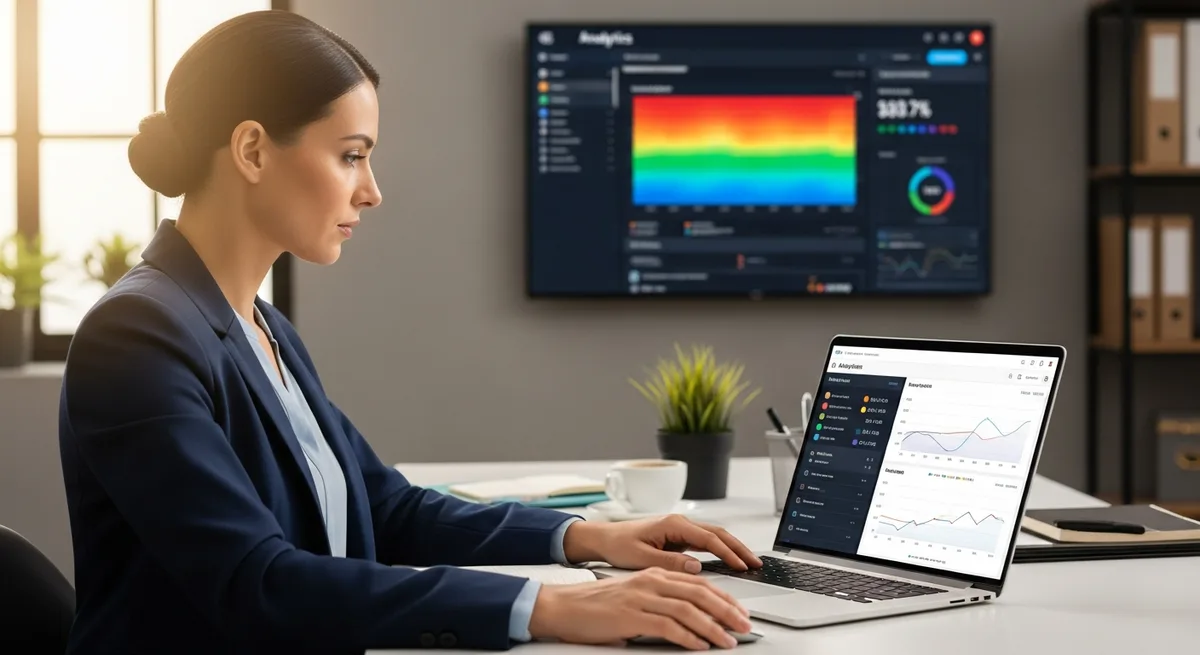
Most restaurant operators think of their digital menu as a fancy PDF replacement. It's not. It's a behavioral analytics engine:
Browsing patterns. Which categories do guests tap first? How long do they spend on appetizers versus desserts?
Peak interest items. Which dishes get the most views but the fewest orders? That's a pricing problem, not a demand problem.
Device and session data. Are guests scanning from a table QR code or a link from Instagram? What time of day are they browsing?
Repeat visit signals. When the same device hits your menu multiple times in a month, that's a loyal customer.
From Menu Views to Marketing: Building Personalized Campaigns
Segment by behavior, not demographics. Group customers by what they actually do: "vegetarian browsers," "wine explorers," "lunch-only regulars," "dessert skippers."
Trigger campaigns based on real signals. If someone keeps coming back to your weekend brunch menu, send them a targeted offer.
Optimize your menu in real time. If data shows 70% of Tuesday lunch guests never scroll past the first three items, your Tuesday specials better be at the top.
Test pricing with confidence. A/B test dish descriptions, photos, and price points with evidence, not gut feeling.
This is where a platform like Vino becomes essential - it captures the menu interaction data that fuels these campaigns in the email and SMS tools you already use.
Ethical Data Collection: GDPR-Compliant and Respectful
Nobody wants to feel surveilled while eating dinner. Here's how to do it right:
Be transparent at the point of scan. A brief notice: "We use browsing data to improve your experience. [Learn more]."
Make consent opt-in, not opt-out. Under GDPR guidelines, consent must be freely given, specific, informed, and unambiguous.
Separate analytics from identity. You can learn a massive amount from anonymous browsing data. Only ask for personal information when you're offering clear value in return.
Give control back. Let guests opt out at any point. Counterintuitively, offering easy opt-outs increases trust and opt-in rates.
Practical Plays: Loyalty Prompts, Feedback, and Email Capture
The loyalty prompt. If you run a loyalty program, promote it where every guest is already looking - the menu. A promo popup ("Want to earn rewards? Join in 10 seconds") converts at 15-22% on average.
The micro-feedback request. At the end of a meal, trigger a one-question survey: "How was your meal tonight?" with three emoji options.
The WiFi exchange. Guests provide an email to log into your WiFi, and you gain a direct communication channel.
The seasonal preview. "Want early access to our new spring menu? Drop your email." Scarcity and exclusivity drive sign-ups.
Connecting Menu Data to Your Existing Systems
Menu data gets even more powerful when you pair it with the tools you already run:
- Your POS reports - compare browsing behavior against actual purchases
- Your email/SMS platform - turn behavioral segments into automated campaigns
- Your reservation system - cross-reference browsing peaks with booking patterns
- Your review management tool - follow up with happy survey respondents and invite a Google review
Check out our breakdown of the top restaurant technology trends shaping 2026 to see how leading operators are building these connected systems.
Start With What You Have
You don't need to overhaul your entire tech stack tomorrow. Start with three steps this week:
- Audit your current menu platform. What data is it already collecting? Log in to your analytics dashboard - you might be surprised what's already there.
- Add one consent-based capture point. A loyalty popup on your menu or a WiFi email gate. Just one.
- Send one campaign based on real data. Pull your top 50 repeat visitors and send them a personalized offer based on their ordering history.
The restaurants that thrive in 2026 and beyond won't be the ones with the fanciest interiors or the biggest Instagram followings. They'll be the ones that know their customers - genuinely, ethically, and usefully. Your digital menu is the starting line. What you build on top of it is up to you.
Ready to go digital?
Create your restaurant's smart digital menu in minutes with Vino. No app downloads, no complicated setup.
Related articles
We Analyzed 30,000 QR Menu Interactions. Here Is the Data on How Diners Really Read Your Menu.
8 min read
Why Every Restaurant Owner Needs a Peer Community
5 min read
Digital Menu Without a POS: Toast & Square Alternatives
6 min read
Digital Menu Customer Journey for Customer Retention
6 min read